
Limited Edition Shirts: 30% More Fandom Identity Boost
Most limited edition shirts for anime, gaming, and horror fans produce fewer than 500 units and sell out within hours. This extreme scarcity transforms ordinary apparel into wearable badges of fandom identity that collectors cherish. This guide reveals why limited edition shirts offer superior exclusivity, quality, and community value compared to mass market alternatives.
Table of Contents
- Introduction To Limited Edition Shirts
- Exclusivity And Scarcity In Limited Edition Shirts
- Quality And Design Uniqueness
- Community And Identity Expression
- Collectible And Investment Potential
- Common Misconceptions About Limited Edition Shirts
- Importance Of Authenticity And Licensing
- Practical Guide To Choosing Limited Edition Shirts
- Summary And Fandom Wardrobe Enhancement
- Explore Exclusive Limited Edition Shirts At IGZ Clothing
- Frequently Asked Questions
Key Takeaways
| Point | Details |
|---|---|
| Fandom Identity Boost | Exclusive apparel increases perceived in-group identity by 30% in fan communities. |
| Scarcity Drives Value | Production runs under 500 units create collectible appeal and purchasing urgency. |
| Premium Quality | Superior fabrics and advanced printing techniques ensure lasting designs. |
| Investment Potential | Resale prices increase 20-100% over 1-5 years for rare editions. |
| Community Connection | Wearing limited editions strengthens social bonds among passionate fans. |
Introduction to Limited Edition Shirts
Limited edition shirts represent a distinct category of pop culture apparel produced in small quantities, typically under 500 units per design. Unlike mass produced shirts flooding retail shelves by the thousands, these exclusive pieces deliberately restrict availability to create genuine scarcity. Wearing limited edition shirts signals membership in niche fandom communities, enhancing social identity and belonging.
For anime, gaming, and horror enthusiasts, limited edition anime shirts serve multiple purposes beyond simple clothing. They function as conversation starters, collectible memorabilia, and visual declarations of fandom passion. These shirts feature artwork and designs created specifically for fans who demand authenticity and exclusivity rather than generic graphics.
Several characteristics define true limited editions:
- Numbered production runs documented and disclosed to buyers
- Official licensing agreements with anime studios, game publishers, or horror franchises
- Artist collaborations featuring unique interpretations of beloved characters
- Time limited availability windows creating purchase urgency
- Certificate of authenticity or special packaging marking exclusivity
The Collector Culture and Limited Editions phenomenon has transformed how fans approach pop culture apparel. Rather than viewing shirts as disposable fashion, collectors treat limited editions as wearable art investments that appreciate over time while expressing personal identity.
Exclusivity and Scarcity in Limited Edition Shirts
Scarcity psychology drives the intense appeal of limited edition shirts among collectors. When production caps at 500 units or fewer, each piece becomes mathematically rare compared to franchises with millions of fans worldwide. This mathematical impossibility of universal access creates inherent value before considering design quality or licensing prestige.
Fear of missing out (FOMO) accelerates purchase decisions when fans encounter limited availability windows. Brands often announce specific sale periods lasting 24 to 72 hours, pressuring enthusiasts to commit immediately or lose access forever. This urgency mirrors concert ticket sales or convention exclusive merchandise drops that sell out within minutes.
The collectible mindset fundamentally changes how fans value apparel:
- Initial purchase becomes an investment decision rather than casual shopping
- Ownership confers insider status within fan communities
- Rarity increases emotional attachment beyond typical clothing
- Future scarcity potential influences present buying behavior
- Edition numbers below 500 trigger strongest collector responses
Pro Tip: Track edition sizes carefully. Shirts numbered below 250 units typically appreciate faster than larger runs because serious collectors prioritize extreme rarity when building curated wardrobes.
The secondary market for limited edition shirts demonstrates how scarcity drives value retention. Sold out designs frequently resurface on collector platforms at premiums ranging from 50% to 300% above original retail prices. This resale activity validates the investment thesis and encourages fans to view purchases as dual purpose acquisitions serving both wardrobe and portfolio functions.
Smaller production batches also enable brands to take creative risks unavailable in mass market manufacturing. Niche character selections, experimental art styles, and controversial design elements become viable when targeting 500 passionate collectors rather than appealing to mainstream audiences numbering in the hundreds of thousands.
Quality and Design Uniqueness
Limited edition shirts justify premium pricing through superior materials and construction techniques unavailable in mass produced alternatives. Manufacturers allocate larger per unit budgets when producing small batches, enabling investments in 100% ring spun cotton, reinforced stitching, and pre shrunk fabrics that maintain shape after repeated washing. Limited edition shirts often use higher quality fabrics and printing techniques compared to standard retail offerings.
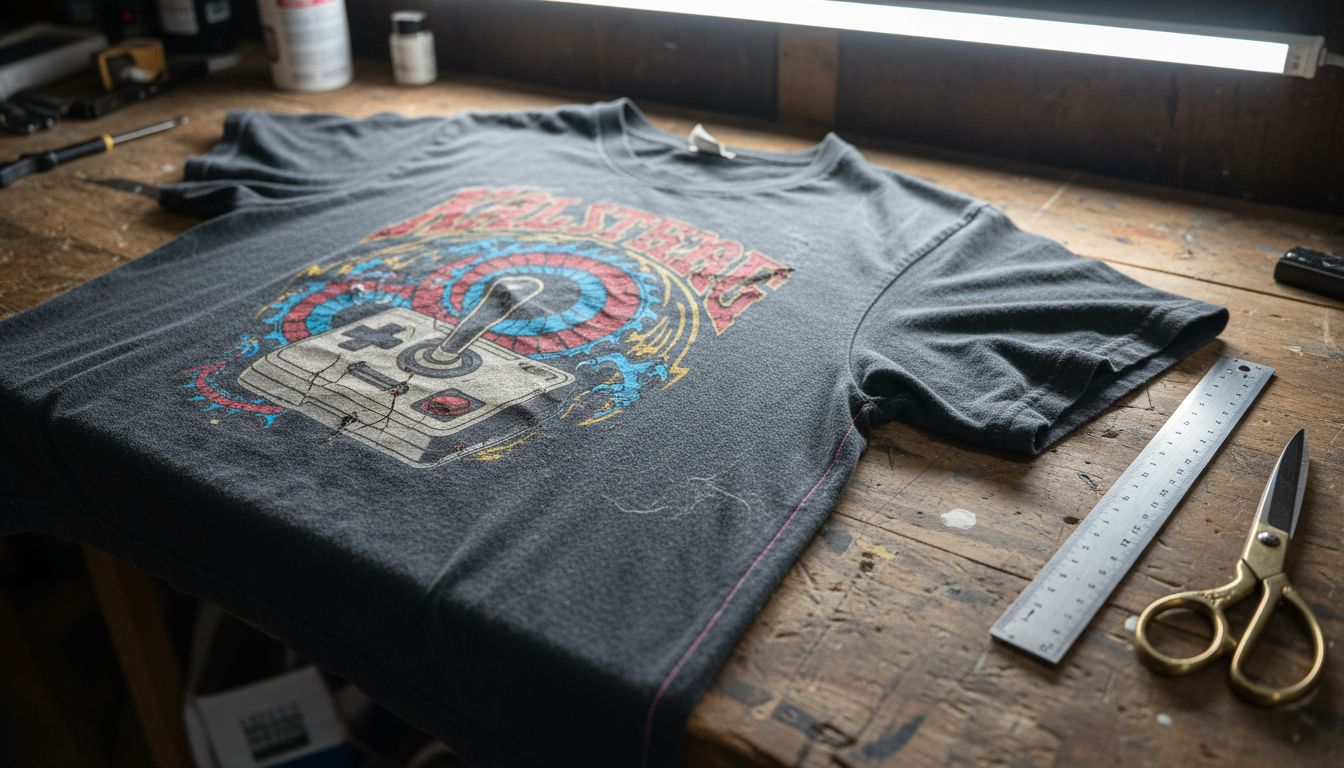
Printing technology represents another quality differentiator. Direct to garment (DTG) printing delivers photorealistic detail and color accuracy impossible with traditional screen printing used for mass production. Discharge printing creates vintage aesthetics by removing original fabric dye rather than layering ink, producing softer hand feel and better breathability. Specialty inks incorporating metallic particles or glow in the dark pigments add visual interest targeting collector preferences.
Artist collaborations elevate limited editions beyond generic licensed graphics:
- Independent illustrators reinterpret classic characters through personal artistic lenses
- Official partnerships with anime studios provide access to exclusive production artwork
- Horror franchise collaborations feature original concept art unavailable elsewhere
- Gaming designers contribute unused character sketches and environment concepts
- Cross cultural fusions blend Japanese aesthetics with Western streetwear sensibilities
Pro Tip: Research the artist behind limited edition designs. Established illustrators with social media followings add resale value because their fan bases seek out all collaborations regardless of franchise.
Design themes specifically target anime, gaming, and horror aesthetics rather than diluting appeal across general audiences. Exclusive designs on limited edition anime shirts incorporate inside jokes, obscure character references, and deep cut franchise moments that resonate with dedicated fans while flying over casual observers. This specificity strengthens community bonds by creating visual passwords recognizable only to fellow enthusiasts.
Color palettes often reject mainstream fashion trends in favor of bold contrasts and saturated hues matching source material. Anime editions feature vibrant primaries echoing animation color theory, gaming shirts incorporate neon accents suggesting RGB lighting culture, and horror designs embrace blood reds and shadowy blacks evoking genre atmospherics. These deliberate aesthetic choices signal authenticity to target demographics.
Community and Identity Expression
Wearing limited edition shirts functions as non verbal communication broadcasting fandom membership to like minded individuals. In crowded conventions, college campuses, or urban streetwear scenes, recognizable designs trigger instant social connections between strangers sharing passionate interests. This visible signaling reduces barriers to conversation and accelerates community formation among geographically dispersed fans.
Social psychology research confirms that exclusive apparel increases perceived in-group identity by 30% in fan communities. Owning rare editions unavailable to casual fans strengthens feelings of authentic belonging versus surface level participation. This differentiation matters deeply to young adults constructing personal identities around entertainment media consumption and fandom engagement.
Limited edition shirts transform passive media consumption into active identity performance, allowing fans to claim space in physical environments dominated by mainstream fashion norms that ignore niche interests.
The pride associated with wearing sold out designs creates positive feedback loops reinforcing community participation. Fellow collectors recognize rare pieces and initiate discussions about acquisition stories, convention experiences, or franchise theories. These spontaneous interactions build social capital within fan networks and motivate continued investment in limited edition acquisitions.
Graphic tees impact fandom expression by providing low barrier entry points for identity exploration. Young adults experimenting with different fandom affiliations can test community reactions through apparel choices before committing to deeper engagements like cosplay or convention attendance. Limited editions accelerate this exploration by offering premium quality pieces worthy of regular rotation rather than occasional novelty wear.
Authentic fandom expression through social identity and limited edition shirts also challenges gatekeeping behaviors that question newcomer legitimacy. Owning rare, expensive editions demonstrates financial and emotional investment that earns respect from veteran community members who might otherwise dismiss casual participants. This credibility currency smooths social integration within competitive fandom hierarchies.
Collectible and Investment Potential
Limited edition shirts occupy a unique position in the collectibles market, bridging wearable fashion and investment memorabilia. Unlike sealed figures or framed posters that generate zero utility while appreciating, shirts provide daily wardrobe functionality alongside potential financial returns. This dual purpose appeals to practical collectors who resist spending on display only items.
Limited edition shirt resale prices can increase by 20-100% over 1-5 years depending on franchise popularity, edition size, and design appeal. Gaming limited editions show particularly strong appreciation because gaming limited editions often under 500 pieces have resale values 50% above retail. This performance rivals or exceeds returns from traditional fandom collectibles like trading cards or vinyl figures.
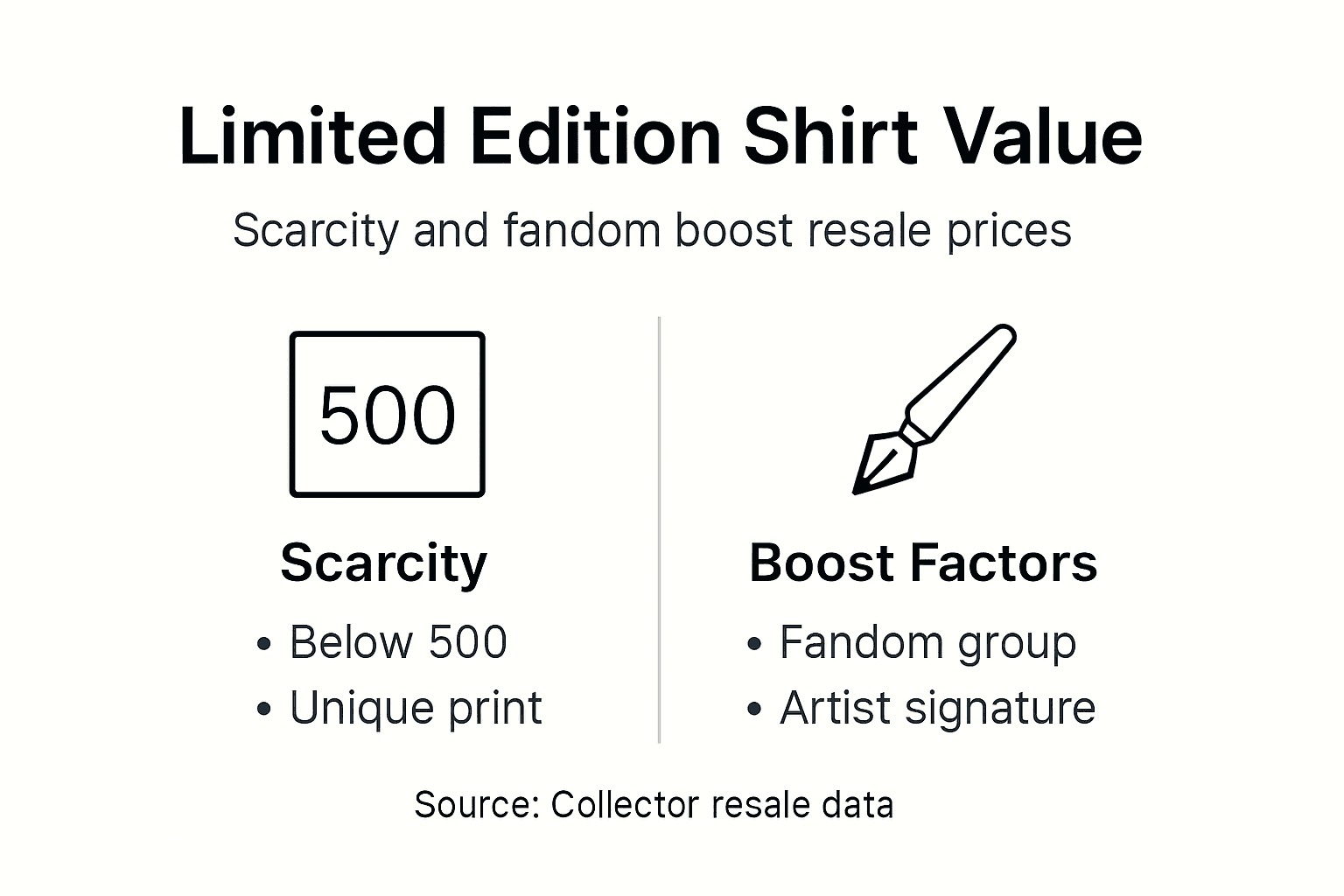
Several factors influence long term value retention:
| Factor | Impact on Value | Optimal Range |
|---|---|---|
| Edition Size | Smaller runs appreciate faster | Under 250 units |
| Franchise Popularity | Growing fandoms drive demand | Trending series |
| Condition | Unworn pieces command premiums | New with tags |
| Licensing Status | Official beats bootleg | Verified authentic |
| Artist Recognition | Known creators add value | Established portfolios |
Smart collectors treat purchases strategically by acquiring multiple copies of promising releases. One copy enters regular wardrobe rotation while sealed backups remain in climate controlled storage awaiting future appreciation. This approach maximizes enjoyment while preserving investment potential that casual buyers sacrifice through normal wear.
Collecting limited edition shirts requires research into franchise trajectories and cultural momentum. Anime series awaiting second seasons or gaming franchises announcing sequels present timing opportunities where current editions may appreciate significantly as new content expands fan bases. Conversely, completed series with declining cultural relevance pose depreciation risks despite initial scarcity.
The limited edition shirts collectible value market benefits from transparent secondary pricing through platforms like Grailed, Depop, and specialized collector forums. This price discovery mechanism allows investors to track performance trends and make informed acquisition decisions based on historical data rather than speculation. Successful collectors study these markets continuously, identifying undervalued releases before broader recognition drives prices upward.
Authenticity verification becomes critical in resale contexts where counterfeiters target profitable editions. Original packaging, receipt documentation, and edition numbering provide provenance chains protecting both sellers and buyers from fraud risks that plague high value collectibles markets.
Common Misconceptions About Limited Edition Shirts
Skepticism about limited edition pricing stems from legitimate concerns about marketing manipulation, but dismissing all premium apparel as overpriced branding ignores material reality. Price premiums reflect true scarcity, licensing fees, and superior materials, not just marketing markup. Manufacturing 500 units costs significantly more per piece than producing 50,000 units due to economies of scale working in reverse.
Several persistent myths discourage potential collectors from exploring limited editions:
- All graphic tees use identical quality: Mass market shirts typically use 50/50 cotton poly blends and basic screen printing, while limited editions invest in 100% premium cotton and advanced printing techniques delivering superior comfort and durability.
- Limited means artificially restricted: True limited editions cap production based on manufacturing capacity and target collector markets, not arbitrary scarcity tactics. Batch sizes reflect sustainable business models for small brands and independent artists.
- Licensing adds zero value: Official licensing ensures accurate color matching, approved artwork, and royalty payments supporting creators. Unlicensed replicas contribute nothing to franchise ecosystems fans claim to support.
- Condition doesn’t matter for clothing: Collectors pay substantial premiums for new with tags condition versus worn pieces, similar to other collectibles categories where preservation affects value.
- All sellers offer authentic products: Counterfeit limited editions flood online marketplaces, requiring careful verification of seller reputation, product photos, and edition documentation.
Debunking myths about limited edition shirts requires educating buyers on manufacturing economics and collectibles market dynamics. Small batch production eliminates the cost advantages that enable Walmart pricing, while artist compensation and licensing fees represent legitimate business expenses reflected in retail prices.
The quality gap between limited editions and mass market alternatives becomes apparent after multiple wash cycles. Premium fabrics maintain shape and color vibrancy through dozens of washes, while cheaper alternatives fade, shrink, and develop holes within months. This durability justifies higher upfront costs through superior cost per wear calculations over multi year ownership periods.
Authenticity concerns particularly affect anime and gaming shirts where intellectual property theft runs rampant. Purchasing limited edition shirt misconceptions from unverified sellers risks receiving counterfeit products that disrespect creators while delivering inferior quality that damages perceptions of legitimate limited editions.
Importance of Authenticity and Licensing
Official licensing distinguishes legitimate limited editions from counterfeit knockoffs flooding online marketplaces. Licensed shirts have higher sales and ratings than unlicensed replicas, ensuring better quality and fandom respect. Licensing agreements require manufacturers to meet quality standards, use approved artwork, and submit designs for franchise holder review before production.
Authentic licensing provides multiple benefits beyond legal compliance:
- Royalty payments support anime studios, game developers, and artists creating original content
- Quality control standards ensure accurate color reproduction and design fidelity
- Official approval validates designs as canon compliant and respectful to source material
- Hologram stickers or authentication codes verify legitimate products
- Brand reputation protects against substandard manufacturing shortcuts
Counterfeit shirts undermine fandom communities by extracting profits while contributing nothing to franchise sustainability. Every dollar spent on unlicensed replicas represents lost revenue that could fund new seasons, game development, or artist compensation. Conscious fans recognize this economic reality and prioritize licensed limited edition anime shirts despite higher prices.
Verifying authenticity requires examining multiple indicators. Official tags display trademark symbols, licensing partner logos, and legal copyright notices absent from counterfeits. Product listings from authorized retailers include explicit licensing disclosures and partnership acknowledgments. Suspiciously low prices on premium designs signal probable counterfeits attempting to undercut legitimate sellers.
The emotional satisfaction of wearing authentic licensed apparel exceeds superficial aesthetics. Knowing purchases directly support beloved franchises and creators adds meaning that counterfeits can never replicate. This ethical dimension strengthens the identity expression function by aligning consumer behavior with stated values about supporting art and artists.
Trusted retailers maintain relationships with licensors and provide purchase documentation proving authenticity for resale purposes. This chain of custody matters significantly in collectibles markets where provenance determines value. Gray market sellers offering suspiciously rare editions at below market prices typically cannot provide verification, indicating probable counterfeit inventory.
Practical Guide to Choosing Limited Edition Shirts
Selecting the right limited edition shirts requires balancing personal fandom passion with practical collecting considerations. Follow this systematic approach to build a curated wardrobe that expresses authentic identity while maximizing long term satisfaction.
- Identify core fandom priorities: List your top three anime series, gaming franchises, or horror properties to focus collecting efforts rather than chasing every release across multiple genres.
- Verify licensing authenticity: Check seller credentials, read product descriptions for licensing disclosures, and examine product photos for official tags and quality indicators.
- Assess edition scarcity: Prioritize runs under 500 units for collectible value, with editions under 250 offering strongest appreciation potential.
- Evaluate design uniqueness: Seek exclusive artwork unavailable elsewhere rather than generic character poses replicated across multiple products.
- Inspect material quality: Confirm 100% cotton or premium blends, advanced printing methods, and construction details like reinforced stitching.
- Research artist background: Investigate collaborating illustrators to gauge their reputation and following within relevant fan communities.
- Consider versatility: Select designs wearable across multiple contexts rather than hyper specific pieces limiting outfit integration.
- Calculate investment potential: Review franchise trajectory, cultural momentum, and secondary market pricing for similar previous releases.
A guide to buying limited edition anime shirts should include decision criteria balancing emotional appeal with practical concerns:
| Criteria | Weight | Evaluation Method |
|---|---|---|
| Fandom Passion | 40% | Personal connection strength |
| Design Quality | 25% | Artist skill and uniqueness |
| Edition Scarcity | 20% | Production run size |
| Material Quality | 10% | Fabric and printing specs |
| Investment Potential | 5% | Resale market indicators |
Pro Tip: Join collector communities on Discord or Reddit to access early release information and group buy opportunities. Experienced collectors share authentication tips and alert members to limited windows before sellouts occur.
Budget allocation matters for sustainable collecting. Spending $40 to $80 per limited edition represents reasonable pricing for authentic licensed products using premium materials. Releases priced below $30 warrant skepticism about authenticity or quality shortcuts, while prices exceeding $100 should correlate with extreme scarcity or prestigious artist collaborations.
Timing purchases strategically around release announcements maximizes selection before popular sizes sell out. Following brand social media accounts and subscribing to newsletters provides advance notice enabling first access to new drops. Missing initial windows often forces buyers into secondary markets where premiums inflate costs significantly.
Summary and Fandom Wardrobe Enhancement
Limited edition shirts deliver unmatched value for anime, gaming, and horror fans seeking authentic self expression through premium apparel. The combination of deliberate scarcity, superior quality materials, exclusive artistic collaborations, and official licensing creates products that transcend ordinary clothing to become wearable investments and community badges.
Scarcity drives collectible appeal through production caps typically below 500 units, creating mathematical rarity that mass produced alternatives cannot replicate. This exclusivity fuels both emotional satisfaction and financial appreciation potential, with resale values frequently exceeding original retail by 20% to 100% over multi year holding periods.
Quality differentiation justifies premium pricing through tangible manufacturing upgrades. Premium fabrics, advanced printing techniques, and artist collaborations deliver superior comfort, durability, and visual impact compared to generic graphic tees flooding discount retailers. These material advantages provide lasting value through extended wearable lifespans.
Community connection represents perhaps the most significant benefit, as limited editions signal authentic fandom membership and facilitate social bonding among passionate enthusiasts. Wearing rare designs generates pride, recognition, and conversation opportunities that strengthen identity and belonging within niche communities.
Authenticity through official licensing protects quality standards while supporting the creators and franchises fans love. Prioritizing licensed products over counterfeits demonstrates values alignment and ensures purchases contribute to franchise ecosystems rather than exploiting them.
Invest in your fandom identity through carefully curated limited edition acquisitions that express genuine passion while building collectible value. Stand out from mass market conformity by wearing exclusive designs that announce your commitment to anime, gaming, and horror communities.
Explore Exclusive Limited Edition Shirts at IGZ Clothing
Ready to elevate your pop culture wardrobe with authentic limited editions? IGZ Clothing curates premium limited edition anime shirts featuring officially licensed designs from top anime, gaming, and horror franchises. Every piece combines superior materials with exclusive artwork unavailable through mainstream retailers.
Our limited edition shirts for collectors feature verified authenticity, numbered production runs, and artist collaborations delivering the quality and exclusivity serious fans demand. Whether building a curated collection or seeking standout pieces for daily wear, IGZ Clothing provides access to the most coveted releases in pop culture streetwear for self-expression. Shop now to secure your exclusive designs before they sell out permanently.
Frequently Asked Questions
Are limited edition shirts worth the extra cost?
Yes, limited editions justify premiums through genuine scarcity under 500 units, superior fabrics, official licensing, and exclusive designs unavailable elsewhere. Many appreciate 20% to 100% in resale value over several years, adding investment potential beyond wearing enjoyment. The combination of quality, collectibility, and fandom expression delivers value exceeding initial cost for passionate collectors.
How can I verify if a limited edition shirt is authentic?
Check for official licensing tags displaying trademark symbols and copyright notices. Purchase from reputable retailers like IGZ Clothing that maintain direct relationships with licensors. Verify artist or brand collaborations match product listings, and confirm edition numbering or certificates of authenticity. Research seller reviews and request additional product photos showing tags and quality details before committing to purchases.
What makes limited edition shirts better for fandom identity?
Scarcity under 500 units signals exclusive membership that casual fans cannot access, strengthening in-group identity by 30%. Unique designs showcase personal taste and deep franchise knowledge that generic graphics cannot convey. Wearing rare editions generates community recognition, pride, and conversation opportunities that build social connections among fellow enthusiasts sharing passionate interests.
Can limited edition shirts be a good investment?
Many limited editions appreciate 20% to 100% in value over 1 to 5 years, particularly gaming editions under 500 pieces. Low production runs combined with growing franchise popularity drive collectible demand in secondary markets. Invest wisely by researching edition scarcity, franchise trajectories, and maintaining pristine condition with original packaging to maximize future returns alongside personal enjoyment.