
Role of Streetwear in Fandom: Self-Expression and Community
Finding streetwear that actually speaks to your passion for anime, gaming, or horror can feel like searching for a hidden Easter egg. For fans who want more than just trendy clothes, streetwear is a powerful language of cultural expression shaped by hip-hop, urban communities, and bold pop culture influences. This article explores how streetwear connects fandom, identity, and global style, helping you choose pieces that reflect who you really are.
Table of Contents
- Streetwear And Fandom Defined: Origins And Meaning
- Pop Culture’s Influence On Streetwear Trends
- Types Of Fandom Apparel And Key Features
- Streetwear As A Tool For Community Building
- Risks Of Commercialization And Authenticity Loss
Key Takeaways
| Point | Details |
|---|---|
| Cultural Expression | Streetwear serves as a powerful form of cultural expression rooted in urban communities, emphasizing identity and social narratives. |
| Impact of Pop Culture | Pop culture significantly influences streetwear trends, shaping aesthetics and driving rapid changes through various media and celebrity endorsements. |
| Community Building | Streetwear functions as a mechanism for community building, using clothing as a visual language to foster connections among like-minded individuals. |
| Risks of Commercialization | The commercialization of streetwear risks diluting its original cultural significance, prioritizing profit over authentic representation of marginalized communities. |
Streetwear and Fandom Defined: Origins and Meaning
Streetwear emerged as more than just clothing - it became a powerful language of cultural expression rooted in urban communities. Origins in hip-hop culture reveal how apparel transformed from simple garments to statements of identity, rebellion, and social connection.
At its core, streetwear represents a dynamic fusion of fashion, music, and personal narrative. The style originated in late 1980s and early 1990s urban landscapes, particularly within African American and Latino communities, where clothing became a medium for communicating social experiences and challenging systemic narratives. Hip-hop artists, skateboarders, and youth subcultures played pivotal roles in developing streetwear’s aesthetic and philosophical foundations.
Key characteristics that define streetwear include:
- Authenticity and personal storytelling
- Comfort and functional design
- Strong connection to musical and cultural movements
- Limited edition and collaborative design approaches
- Rejection of traditional fashion hierarchies
For modern fandom communities, streetwear represents far more than fashion - it’s a tangible way of signaling belonging, shared interests, and cultural literacy. Whether representing an anime series, video game franchise, or horror aesthetic, these garments communicate complex personal narratives without saying a word.
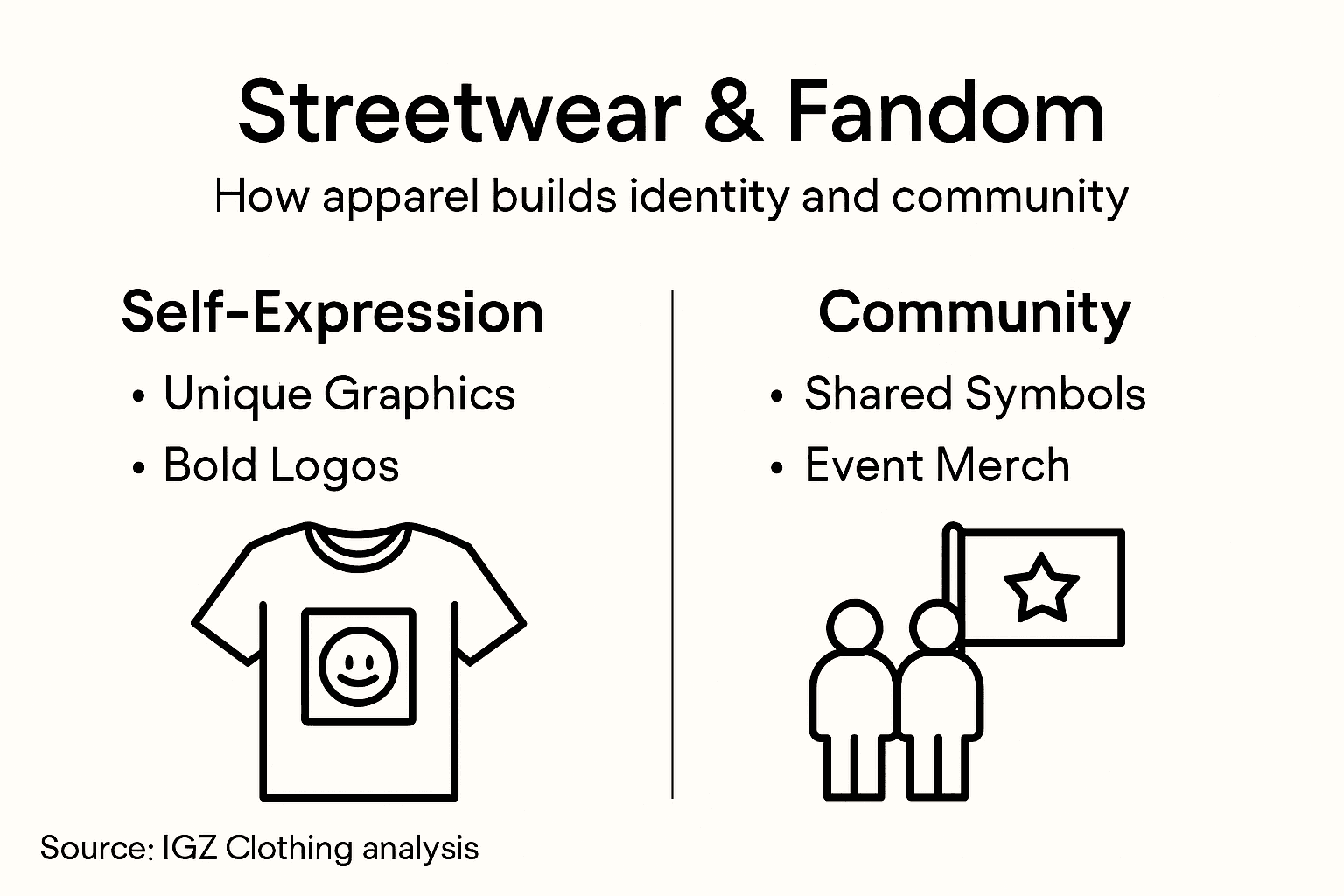
Here’s a comparison of how streetwear serves different purposes for fans and broader fashion audiences:
| Audience Type | Primary Motivation | Typical Expression | Social Impact |
|---|---|---|---|
| Fandom Communities | Express shared cultural ties | Franchise-inspired apparel | Fosters group identity |
| Mainstream Fashion | Follow style trends | Trend-driven collections | Shapes mass culture adoption |
| Music Subcultures | Display artist allegiance | Logo tees and accessories | Inspires creative collaborations |
| Sports Fans | Signal team loyalty | Jerseys and color themes | Builds event-based communities |
Pro tip: When selecting streetwear, choose pieces that genuinely resonate with your personal identity and cultural interests, not just surface-level trends.
Pop Culture’s Influence on Streetwear Trends
Pop culture has become a transformative force in shaping streetwear trends, creating a dynamic ecosystem where fashion, media, and personal identity intersect. Digital media platforms dramatically reshape streetwear aesthetics, enabling rapid trend cycles and global cultural exchange.
Modern streetwear draws significant inspiration from diverse pop culture elements, including music, film, video games, and social media influencers. Hip-hop artists, celebrities, and online personalities have become key trendsetters, driving the evolution of streetwear from niche urban style to mainstream global phenomenon. Their visual aesthetics and personal brands directly influence design choices, color palettes, and stylistic approaches.
Key pop culture influences on streetwear include:
- Nostalgic revivals of vintage graphic designs
- Celebrity and musician fashion statements
- Graphic references from anime and gaming franchises
- Social media platform visual trends
- Collaborative design approaches between artists and fashion brands
The relationship between pop culture and streetwear goes beyond aesthetic mimicry - it represents a complex dialogue of cultural expression. Each garment becomes a canvas for storytelling, allowing individuals to communicate their cultural affiliations, personal interests, and social identities through carefully curated clothing choices.
Below is a summary of how pop culture influences feed into streetwear trend creation:
| Pop Culture Source | Influence on Streetwear | Typical Outcome |
|---|---|---|
| Social Media | Accelerates trend adoption | Viral aesthetics and micro-trends |
| Music Industry | Guides stylistic direction | Iconic pieces worn by musicians |
| Anime & Gaming | Inspires design motifs | Graphic tees with niche references |
| Film & TV | Fuels nostalgia in designs | Vintage revivals and tribute items |
Pro tip: Follow diverse pop culture sources and emerging artists to stay ahead of streetwear trend evolution and discover unique style inspiration.
Types of Fandom Apparel and Key Features
Fandom apparel represents a vibrant landscape of self-expression, with unique streetwear categories emerging that go far beyond simple clothing choices. These garments serve as powerful tools for personal storytelling, cultural connection, and identity representation.
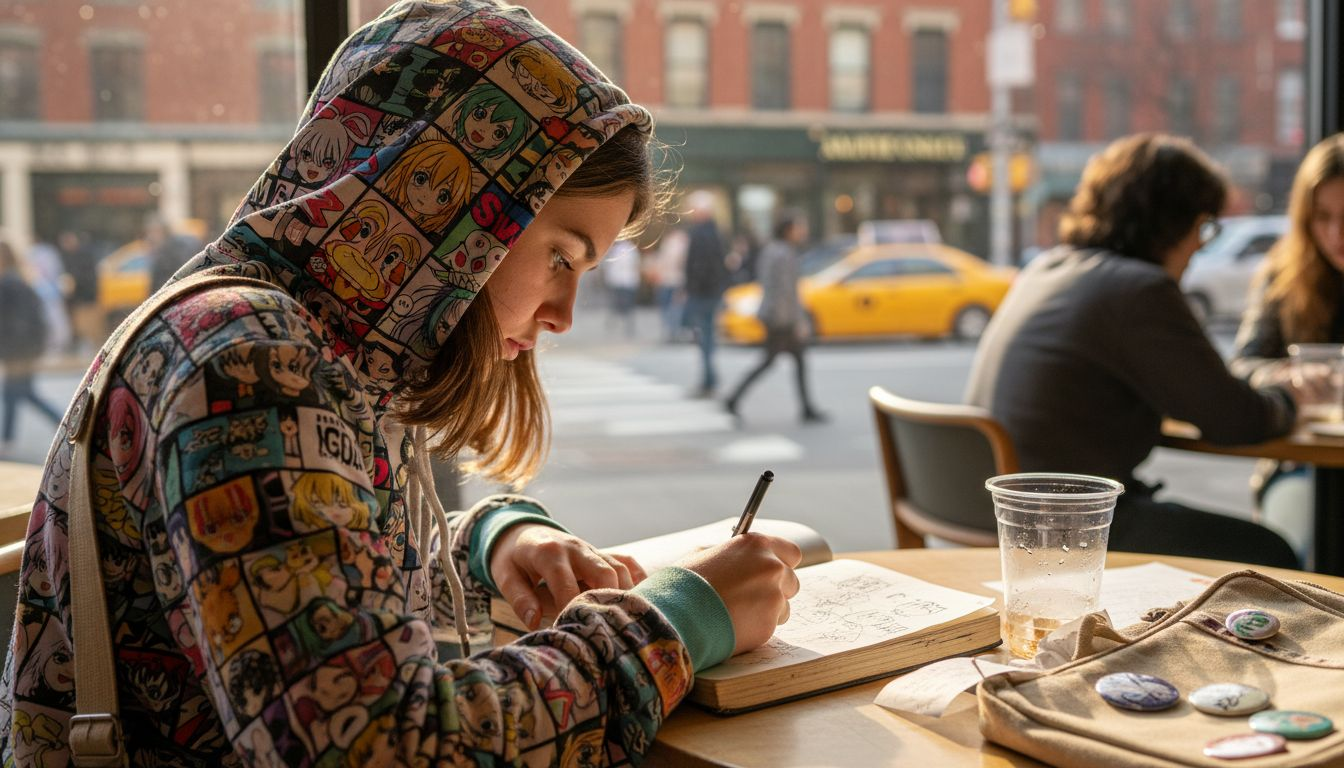
The most prominent types of fandom apparel encompass a rich diversity of styles and design approaches. Graphic T-shirts remain the cornerstone of fan fashion, offering intricate visual narratives that communicate complex cultural affiliations. Hoodies, snapback caps, and limited-edition sneakers complement these core pieces, creating comprehensive wardrobes that speak to specific fan communities and cultural movements.
Key characteristics of fandom apparel include:
- Visual symbolism representing specific franchises
- Exclusive design elements that signal insider status
- Comfortable and adaptable streetwear aesthetics
- Opportunities for personal storytelling through clothing
- Designs that facilitate social connection and community belonging
Beyond mere fashion statements, fandom apparel functions as a nuanced communication system. Each garment becomes a dynamic canvas that allows individuals to broadcast their passions, interests, and cultural identities without uttering a single word. The strategic combination of design, symbolism, and personal styling transforms clothing into a deeply meaningful form of self-expression.
Pro tip: Select fandom apparel pieces that genuinely resonate with your personal interests and allow you to feel authentically connected to your favorite cultural communities.
Streetwear as a Tool for Community Building
Streetwar transcends traditional fashion, emerging as a powerful mechanism for fostering community dynamics and social connection. These garments function as visual languages that communicate belonging, shared experiences, and collective identity far beyond simple aesthetic choices.
Community building through streetwear occurs through multiple intricate mechanisms. Fans use clothing as a strategic tool for signaling group membership, creating instant recognition and connection with like-minded individuals. Whether representing a specific anime franchise, gaming community, or musical subculture, streetwear becomes a tangible bridge connecting individuals who might otherwise feel isolated or disconnected.
Key community-building aspects of streetwear include:
- Creating immediate visual recognition signals
- Facilitating spontaneous social interactions
- Expressing complex personal and collective identities
- Breaking down social barriers through shared cultural references
- Providing a sense of belonging and acceptance
Beyond simple fabric and design, streetwear represents a sophisticated social technology. Each graphic, color choice, and styling decision becomes a nuanced communication method, allowing individuals to broadcast their affiliations, passions, and personal narratives without speaking a word. This silent yet powerful form of expression transforms clothing from a mere covering into a dynamic social interface.
Pro tip: Choose streetwear pieces that authentically represent your personal interests and cultural connections, enabling genuine community engagement.
Risks of Commercialization and Authenticity Loss
Streetwar confronts a critical challenge as mainstream markets increasingly co-opt its cultural roots and original significance. The transformation from a grassroots cultural expression to a global commercial commodity threatens to erode the deep socio-cultural meaning that originally defined streetwear’s identity.
Commercial pressures fundamentally reshape streetwear’s narrative, pushing brands to prioritize marketability over meaningful cultural representation. What began as a powerful form of self-expression within Black and Brown urban communities now risks becoming a diluted, sanitized version of its authentic origins. Mainstream fashion industries often strip away the nuanced cultural context, reducing streetwear to superficial aesthetic trends that lack depth and historical understanding.
Key risks of streetwear commercialization include:
- Erasure of original cultural narratives
- Superficial representation of marginalized communities
- Transformation of meaningful symbolism into trend-driven consumption
- Loss of community-specific design languages
- Appropriation without genuine cultural respect
The most significant danger lies in the potential complete disconnection from streetwear’s roots. When brands prioritize profit over cultural authenticity, they transform a rich form of social communication into a generic fashion statement. This process not only diminishes the cultural significance but also risks alienating the very communities that originally created and defined streetwear’s powerful language of self-expression.
Pro tip: Actively seek out and support streetwear brands that maintain authentic connections to their cultural origins and demonstrate genuine respect for community narratives.
Express Your True Fandom Identity with IGZ Clothing
The article highlights the challenge fans face when trying to find streetwear that authentically represents their passions and community ties without losing meaning through commercialization. At IGZ Clothing, we understand that fandom apparel is more than fashion—it is a powerful tool for self-expression and community building. Our exclusive graphic t-shirts, hoodies, and accessories are thoughtfully designed to connect you with your favorite franchises while staying true to streetwear’s cultural roots. Experience apparel that goes beyond trends to communicate your unique story and cultural identity.

Discover your perfect fandom pieces today at IGZ Clothing. Shop limited editions and trending collections that celebrate anime, gaming, and pop culture with authenticity. Don’t settle for generic apparel when you can build your wardrobe around meaningful designs that foster real connections. Act now and enjoy special discounts plus free shipping to elevate your style and community presence instantly. Start expressing yourself boldly with exclusive fandom apparel designed for true fans.
Frequently Asked Questions
What is the connection between streetwear and fandom?
Streetwear serves as a form of self-expression for fandom communities, allowing individuals to showcase their cultural affiliations and shared interests through clothing that represents specific franchises, from anime to video games.
How does streetwear facilitate community building among fans?
Streetwear creates visual recognition signals that help fans identify and connect with like-minded individuals, fostering social interactions and a sense of belonging through shared cultural references.
What are the key characteristics of fandom apparel?
Fandom apparel features visual symbolism that represents specific franchises, exclusive design elements for insider status, comfort and adaptability in streetwear aesthetics, and opportunities for personal storytelling through clothing.
What risks does commercialization pose to the authenticity of streetwear?
Commercialization threatens to erase original cultural narratives and reduces meaningful symbolism to trend-driven consumption, potentially alienating the communities that gave rise to streetwear’s authentic expression.
Recommended
- Role of Pop Culture in Streetwear Trends – IGZ Clothing
- Why Choose Pop Culture Streetwear for Self-Expression – IGZ Clothing
- What Is Graphic Streetwear and Why It Matters – IGZ Clothing
- Pop Culture Streetwear Explained: Fandom Meets Fashion – IGZ Clothing
- Rôle des accessoires en mode : Affirmer son style - Aerobatix