
Role of Fandom in Apparel – Impact on Identity and Trends
Choosing what to wear as an anime or gaming fan is more than a fashion statement. Fandom apparel lets you showcase your favorite universes, signal your identity, and spark connections with fellow enthusiasts. The rise of digital communities and creative fan practices has turned clothing into a visible sign of belonging, making your wardrobe a powerful tool for self-expression. Explore how fandom apparel functions as identity expression and brings fans closer, both online and offline.
Table of Contents
- Fandom And Apparel: Definition And Core Concepts
- Types Of Fandom-Based Apparel Trends
- How Fandom Apparel Drives Identity Expression
- Community Building And Social Impacts Of Apparel
- Risks, Challenges, And Market Considerations
Key Takeaways
| Point | Details |
|---|---|
| Fandom as Identity | Fandom apparel serves as a tangible expression of identity, signifying belonging and personal values through visible markers. |
| Diversity in Expression | Fans express their passion through varying styles, from bold graphics to subtle references, allowing for personalized representation in everyday life. |
| Community Building | Wearing fandom apparel fosters immediate connections within communities, reinforcing social bonds and creating spaces for shared interests. |
| Market Dynamics | The fandom apparel market faces challenges like saturation and licensing hurdles, necessitating informed purchasing to navigate complexities and authenticity concerns. |
Fandom and Apparel: Definition and Core Concepts
Fandom is far more than just liking something. It’s a passionate engagement with cultural entities—whether that’s an anime series, gaming franchise, movie universe, or entertainment brand that captures your imagination. This connection goes deeper than casual consumption. Fans create communities, share experiences, and express their identity through multiple channels, including the clothes they wear.
Apparel serves as a tangible, visible extension of fandom identity. When you wear a graphic tee featuring your favorite anime character or a hoodie representing your gaming community, you’re not just displaying a logo. You’re signaling belonging, communicating your values, and connecting with others who share your passion. Fandom apparel functions as identity expression that unifies populations and drives cultural norms across global fan communities.
The relationship between fandom and apparel has transformed dramatically with digital media. Fans once expressed themselves primarily through online forums and fan sites. Today, creative identity expression extends beyond online spaces into physical fashion, reinforcing community connections in everyday life. Your favorite anime hoodie becomes part of your offline identity just as much as your online profile.
Core Elements of Fandom Culture
Fandom encompasses several interconnected components:
- Emotional investment in characters, stories, and universes
- Consumer participation through purchasing merchandise and supporting creators
- Creative expression via fan art, discussions, and community engagement
- Social connection with other fans who share your interests
- Identity signaling through visible markers like apparel and accessories
How Apparel Connects to Your Identity
Choosing fandom apparel isn’t random. You select pieces that reflect who you are or who you want to be. Someone wearing a specific anime graphic tee is making a statement about their aesthetic preferences, their values, and their community affiliation. This extends to how you mix fandom pieces with other styles—streetwear hoodies, vintage-inspired fits, or maximalist layering all reflect personal taste.
The physical act of wearing fandom apparel creates a feedback loop. When others recognize your graphic, conversations start. You find your people. Your confidence grows. The garment becomes more than fabric—it’s a conversation starter and community identifier rolled into one.
Fandom apparel transforms passive consumption into active identity expression that connects you with global communities of like-minded enthusiasts.
What makes fandom unique is its diversity. Not all anime fans express themselves identically, and gaming communities span countless genres and playstyles. Understanding fandom’s diversity matters more than categorizing rigid fandom types when selecting apparel that genuinely represents your interests.
Modern fandom apparel ranges from subtle nods—a small embroidered logo—to bold graphic statements. Limited edition drops, exclusive collaborations, and seasonal collections create urgency and collectibility. This drives both personal satisfaction and broader fashion trends that influence mainstream style.
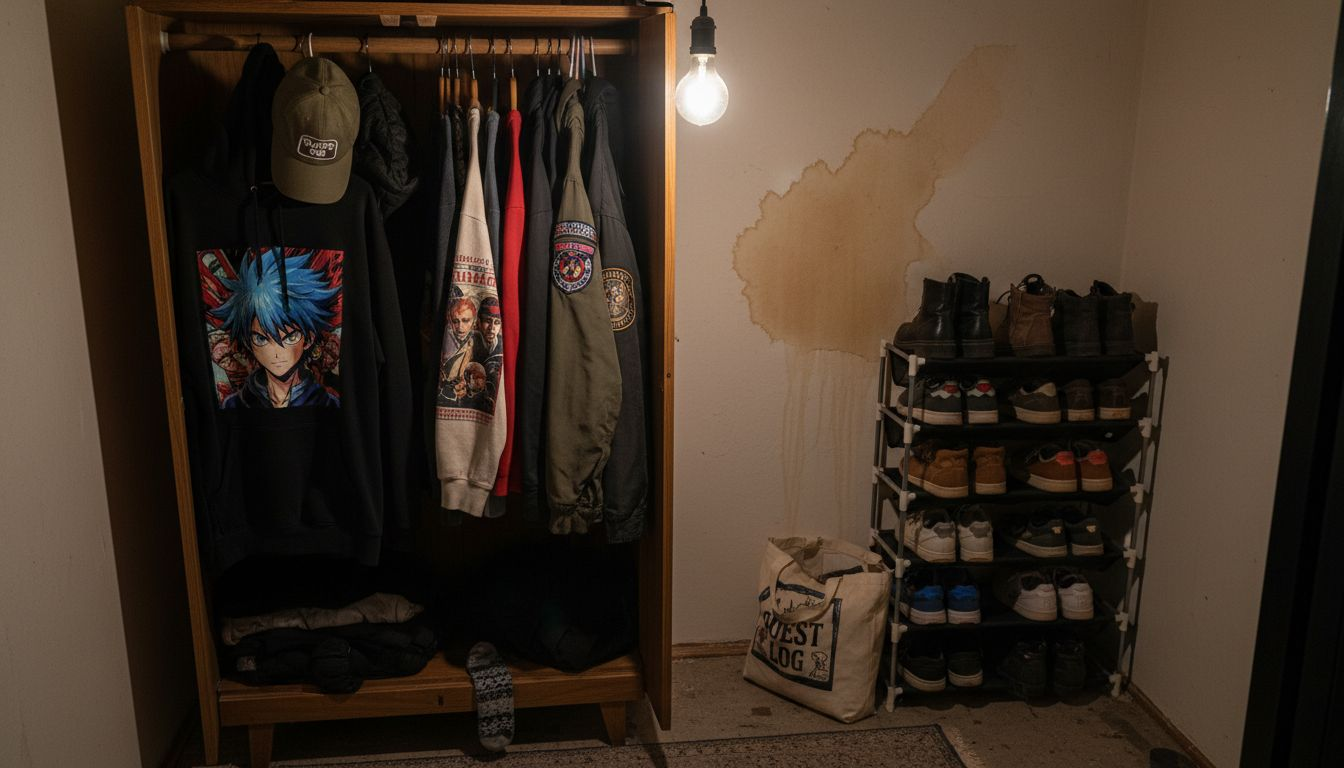
Pro tip: Choose fandom pieces that genuinely excite you rather than defaulting to obvious designs—your authentic connection to the character or story creates stronger community recognition and personal satisfaction.
Types of Fandom-Based Apparel Trends
Fandom apparel isn’t one-size-fits-all. The landscape spans a spectrum from bold, unmissable graphics to subtle nods that only true fans recognize. Understanding these variations helps you choose pieces that match your personal expression style and how openly you want to signal your fandom affiliation.
Explicit Branding and Bold Graphics
Explicit fandom apparel makes zero apologies about what you love. This includes large-scale character artwork, franchise logos, and recognizable imagery splashed across chest areas or full back prints. Anime graphic tees with vibrant character designs exemplify this trend. Gaming hoodies featuring iconic logos create instant visual impact.
These pieces serve clear purposes:
- Immediate recognition from fellow fans and community members
- Strong visual statements about your interests and values
- Conversation starters in everyday social situations
- Direct support for creators and franchises you care about
Subtle and Symbolic Design Approaches
Distinct fan types demonstrate varying expressions, from explicit to subtle symbolic designs that embed complex identities without screaming about fandom allegiance. These understated pieces use minimalist logos, color palettes tied to specific franchises, or hidden references that resonate deeply with engaged fans.
Think a simple embroidered patch, monochromatic color schemes representing anime storylines, or texture-based designs that reference gaming mechanics. Someone wearing a gaming-themed sweater with abstract geometric patterns might recognize themselves in the design—while casual observers see nothing but cool fashion.
Hybrid and Crossover Trends
Modern fandom apparel blends multiple aesthetics into single pieces. Streetwear silhouettes meet anime graphics. Minimalist fashion intersects with gaming references. Fandom wear integrates into everyday fashion through hybrid designs that display both personal stories and community affiliation without requiring obvious branding.
These hybrid pieces appeal to fans who want versatility—wearing something that works as regular streetwear while secretly honoring their favorite characters or games.
Here’s a comparison of explicit versus subtle fandom apparel approaches:
| Apparel Style | Visibility | Social Impact | Best Contexts |
|---|---|---|---|
| Explicit Graphics | Highly visible | Sparks instant recognition | Conventions, fan gatherings |
| Subtle Symbolism | Low-key | Creates insider connections | Everyday wear, workplaces |
| Hybrid/Crossover | Versatile | Balances style and identity | Streetwear, casual outings |
Limited Edition and Collectible Drops
Scarcity drives fandom apparel trends. Limited edition releases create urgency and collectibility that casual fashion rarely achieves. Seasonal drops, exclusive collaboration pieces, and numbered releases transform apparel into investment items rather than disposable clothing.
This trend reflects how seriously fans view their community participation:
- Exclusive drops strengthen belonging within specific fan groups
- Collectible pieces become conversation pieces and social currency
- Limited availability reinforces brand loyalty and community identity
- Resale culture around rare pieces drives secondary markets
Fandom apparel trends reflect how fans choose to balance visibility with personal expression—from unmissable graphics to hidden references that signal deep community belonging.
Fusion with Mainstream Fashion
Younger fandom enthusiasts increasingly blur lines between fan identity and fashion-forward styling. What started as niche fandom merchandise now influences mainstream fashion collections. High-street brands collaborate with franchises. Streetwear aesthetics dominate fandom pieces. The distinction between “fandom apparel” and “regular fashion” continues dissolving.
This mainstream integration means you can express fandom through premium fabrics, elevated cuts, and design sophistication—not just novelty graphics.
Pro tip: Build a fandom wardrobe mixing explicit statement pieces with subtle symbolic items so you can adjust your visibility based on context—bold graphics for conventions, understated designs for professional settings.
How Fandom Apparel Drives Identity Expression
Wearing fandom apparel is far more than displaying a logo. It’s a deliberate act of identity construction and social positioning. Your choice of what to wear communicates who you are, what communities you belong to, and how you see yourself in relation to others. This goes beyond surface-level fandom enthusiasm into deeper questions of selfhood and belonging.
When you put on a graphic tee or hoodie representing your favorite anime, gaming franchise, or pop culture obsession, you’re making a public statement. Fandom apparel expresses identity publicly through coordinated outfits and symbolic clothing that reinforces social belonging. That statement says: “This matters to me. These are my people. This is who I am.”
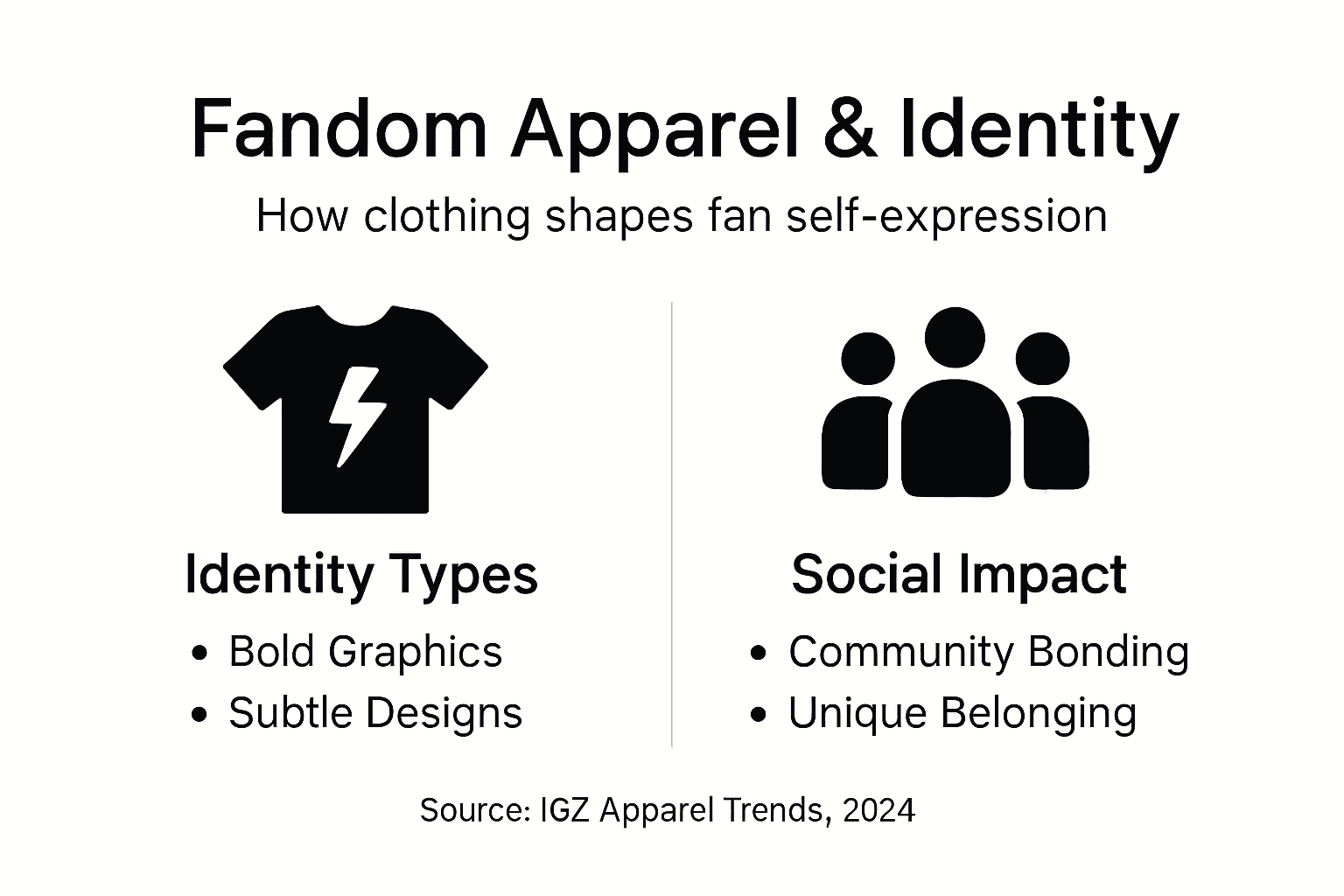
The power of apparel as identity expression lies in its visibility and permanence. Unlike social media posts that disappear from feeds, clothing stays on your body throughout your day. Everyone who sees you reads your fandom affiliations. This creates a form of persistent identity broadcasting that shapes how others perceive you and how you perceive yourself.
Multiple Identity Layers
Fandom apparel becomes especially powerful when it intersects with other aspects of your identity. Apparel serves as a medium to navigate complex identities, revealing social belonging, cultural position, and intersectional identity factors within transnational fan communities. This means your fandom clothing choices reflect not just what shows or games you love, but also your cultural background, gender identity, values, and social positioning.
Consider these intersecting identity layers:
- Cultural identity: How your fandom connects to your heritage or cultural community
- Social positioning: What your fandom choices signal about your social status and peer groups
- Personal values: What themes in your favorite franchises align with your beliefs
- Creative expression: How you customize or style fandom pieces to make them uniquely yours
- Gender expression: How you interpret and wear gendered or neutral fandom designs
Active Self-Presentation
Choosing fandom apparel is an active, conscious choice about self-presentation. You’re not passively consuming media—you’re actively curating how you present yourself to the world. This agency matters psychologically. It reinforces your sense of control over your identity and how you’re perceived.
Different contexts demand different fandom expressions. You might wear bold statement pieces at conventions where fandom visibility is celebrated, then switch to subtle symbolic designs in professional settings where overt fandom might feel out of place. This flexibility allows you to maintain your core identity while adapting to social contexts.
Community Recognition and Belonging
Apparel creates instant community recognition. When someone spots your gaming hoodie in a coffee shop, a glance of recognition passes between you. You’ve found your people without saying a word. This silent communication strengthens community bonds and validates your sense of belonging.
The ritual aspect matters too. Wearing coordinated outfits to gaming events or anime conventions creates shared visual identity that unites strangers into a cohesive community. You become part of something larger than yourself.
Fandom apparel transforms abstract identity into tangible, visible form that reshapes how you see yourself and how others perceive you.
Pro tip: Choose pieces that genuinely reflect multiple layers of your identity—combine fandom graphics with colors, silhouettes, or styling that also express your personal aesthetic and cultural background for authenticity that resonates across contexts.
Community Building and Social Impacts of Apparel
Fandom apparel does something unique that most clothing never achieves—it builds community. When you wear a piece, you’re not just expressing yourself individually. You’re signaling membership in a group, creating instant connection points with strangers, and strengthening bonds within established communities. This social function transforms apparel from mere fashion into a powerful community-building tool.
Think about what happens when two fans spot each other wearing the same anime hoodie at a coffee shop. A conversation starts. Numbers are exchanged. A new friendship forms. That interaction ripples outward, creating networks of connection that wouldn’t exist without the visible signal that fandom apparel provides. These aren’t coincidental encounters—they’re community formation in action.
The Foundation of Subcultures
Fandom apparel plays a critical role in creating and sustaining fan subcultures that shape social identity and culture. This goes beyond individual identity expression into collective identity formation. When hundreds or thousands of fans wear similar pieces, they create visible subcultures that signal alternative values, interests, and social positioning within broader society.
These subcultures matter because they provide belonging for people who might feel isolated. Gaming communities, anime fandoms, and pop culture enthusiast groups offer safe spaces where you can express interests that mainstream society might not always celebrate. Apparel becomes the uniform that marks you as part of this chosen family.
How Apparel Communicates Affiliation
Apparel functions as a language of belonging. Your graphic tee or hoodie communicates affiliation without words. It tells others: “I care about this story. I value these characters. I belong to this community.” This visual communication creates immediate understanding between strangers who share fandom interests.
The specificity matters tremendously. Wearing a generic gaming hoodie signals broader interest. Wearing a piece featuring a specific game character signals deeper fandom knowledge and stronger community belonging. This layered communication allows fans to find their specific niche within larger communities.
Economic and Social Ecosystems
Communities built around fandom apparel create real economic impact. Limited edition releases drive purchasing behavior. Resale markets thrive. Creator collaborations generate revenue that supports artists and designers. Beyond economics, these communities shape culture—influencing mainstream fashion trends, media representation, and social conversations.
Key impacts include:
- Market creation: Entire businesses built on serving fan communities
- Creator support: Direct economic benefit flowing to designers and artists
- Cultural influence: Fan aesthetics shaping mainstream fashion and media
- Social connection: Networks of friendship and support emerging from shared interests
- Mental health benefits: Belonging reducing isolation and increasing wellbeing
Ritualistic and Ceremonial Significance
Wearing coordinated fandom apparel to conventions, meetups, or events carries ceremonial weight. When hundreds of fans wear the same or complementary pieces to an anime convention, something transcendent happens. Individual identity merges into collective identity. You become part of something larger than yourself.
These rituals strengthen community bonds through shared experience and visual unity. The apparel transforms from individual expression into collective symbol, reinforcing that you’re part of a movement, not just a consumer.
Fandom apparel transforms isolated individuals into connected communities, creating social ecosystems that provide belonging, economic opportunity, and cultural influence.
Pro tip: Attend community events like gaming tournaments or anime meetups wearing pieces that match your fandom interests—the visible signal dramatically increases your chances of meeting like-minded people and expanding your community network organically.
Risks, Challenges, and Market Considerations
The fandom apparel market isn’t all hype and profitable drops. Behind the scenes, brands, creators, and fans navigate genuine obstacles that shape what gets made and sold. Understanding these challenges helps you make smarter purchasing decisions and appreciate why certain pieces exist or disappear from shelves.
The market faces real pressure from multiple directions simultaneously. Market saturation means dozens of brands compete for your attention with similar designs. Consumer preferences shift rapidly—what trends today might flop tomorrow. Licensing complications create legal headaches that delay product launches. Through it all, stakeholders struggle to balance making money with keeping fandom culture authentic and fan-driven.
Market Saturation and Trend Volatility
The fandom apparel market faces challenges from market saturation and shifting consumer preferences that create competition intensity. When every brand recognizes fandom’s profitability, they flood the market with similar products. Your favorite anime character appears on hoodies from fifteen different companies, sometimes simultaneously.
Trend volatility compounds this problem. A gaming franchise explodes in popularity one year, then loses relevance the next. Brands that invested heavily in inventory suddenly sit on unsold stock. Fans who collected pieces from one franchise scramble to find current pieces as community attention shifts elsewhere.
This creates a buyer’s dilemma. Do you invest in pieces from established franchises with stable value, or take risks on emerging properties that might become legendary or might vanish entirely?
Intellectual Property and Licensing Hurdles
Not every person with design talent can create fandom apparel legally. The fandom merchandise market faces intellectual property concerns and licensing hurdles that limit who can produce official merchandise. Creating and selling pieces featuring copyrighted characters, franchises, or artwork requires proper licensing agreements—expensive, complex, and sometimes impossible to obtain.
This gatekeeping creates opportunities and frustrations:
- Official licenses guarantee authenticity but limit design creativity and inflate prices
- Unlicensed pieces offer creativity and affordability but carry legal risk for sellers and buyers
- Artist collaborations provide legitimate paths but require established industry relationships
- Fan-created designs on platforms like print-on-demand sites exist in legal gray areas
The Authenticity vs. Commercialization Tension
Fandom culture emerged from genuine passion—fans creating art and merchandise out of love, not profit motive. As commercial brands recognize money opportunities, authentic fan culture risks getting diluted. Increasing commercial interest risks diluting fan culture authenticity, requiring balance between commercialization and preserving fan-driven creativity.
When corporations mass-produce designs without understanding why fans care about specific characters or stories, something gets lost. Pieces feel hollow. Communities notice and push back, rejecting merchandise that feels exploitative rather than celebratory.
The best fandom apparel brands navigate this by involving actual fans in design processes, collaborating with fan artists, and demonstrating genuine understanding of why communities matter.
Economic Risk and Asset Volatility
Treating fandom apparel as collectible investments carries real risk. Limited edition pieces sometimes appreciate in value, but market shifts can render once-valuable pieces worthless overnight. A franchise falls from popularity. A creator faces scandal. New designs flood the market, saturating scarcity.
Below is a summary of key market challenges in fandom apparel:
| Challenge | Effect on Fans | Effect on Brands |
|---|---|---|
| Market Saturation | Hard to find unique items | Increased competition |
| Licensing Hurdles | Limited design variety | Legal, costly processes |
| Trend Volatility | Rapidly shifting demand | Risk of unsold inventory |
| Authenticity Concerns | Risk of shallow products | Must engage real fans |
| Investment Risk | Value may fluctuate | Unpredictable resale |
Sustaining fandom apparel markets requires balancing commercial goals with authentic community engagement, or risk alienating the fans who drive demand.
Pro tip: Buy pieces you genuinely love wearing and displaying rather than treating them purely as investment assets—this protects you emotionally if value fluctuates while ensuring you actually enjoy what you own.
Express Your True Self Through Fandom Apparel with IGZ Clothing
The article highlights how fandom apparel is not just clothing but a powerful tool for identity expression, community building, and personal storytelling. Fans face challenges like finding authentic designs that truly represent their passions without falling victim to market saturation or superficial trends. You want pieces that go beyond logos and tell your story across multiple layers of your identity—celebrating your favorite anime, gaming, or pop culture interests in ways that connect you to community and culture.
At IGZ Clothing, we understand that fandom apparel should be more than a product. It should be a vibrant extension of your enthusiasm and style. Our curated collections of graphic t-shirts, hoodies, and exclusive limited editions are designed to help you stand out boldly or express your passion with subtle symbolism. Whether you want statement pieces to spark conversations at conventions or discreet designs for everyday confidence, our streetwear-inspired looks adapt to your unique identity and social contexts.
Discover how wearing fandom gear transforms passive interest into active connection. Shop now to join a community that values authenticity, creativity, and belonging at IGZ Clothing. Enjoy exclusive deals like 30 percent off plus free shipping and bring your fandom identity to life today.
Explore our full collection and start building your personalized fandom wardrobe now.
Frequently Asked Questions
What is the relationship between fandom and apparel?
Fandom and apparel are interconnected, as clothing serves as a visible extension of a fan’s identity, allowing individuals to express their passions and connect with others who share similar interests.
How does wearing fandom apparel impact personal identity?
Wearing fandom apparel allows individuals to actively signal their interests and affiliations, transforming passive consumption into active identity expression that shapes how they perceive themselves and are perceived by others.
What are the different styles of fandom apparel available?
Fandom apparel ranges from explicit branding with bold graphics to subtle symbolic designs, as well as hybrid trends that blend various styles. Each type serves different purposes for self-expression and community recognition.
How can fandom apparel foster community connections?
Fandom apparel acts as a language of belonging, immediately signaling shared interests, which can spark conversations and foster friendships among fans, thereby strengthening community bonds.