
Pop Culture Merchandise Explained: Fandom, Fashion, and Rights
Scrolling through your feed, it is impossible to ignore how anime, gaming, and horror drops fuel global buzz among young fans looking for more than just another hoodie. Pop culture merchandise stands as a badge of self-expression and belonging, shaped by the pulse of social media communities. If you want to unlock the meaning behind today’s most coveted collections, discover how technology, fandom, and creative streetwear come together in the modern pop culture scene.
Table of Contents
- What Defines Pop Culture Merchandise Today
- Types and Categories of Pop Culture Apparel
- How Merchandise Connects Fans and Brands
- Exclusive Collections, Trends, and Limited Editions
- Intellectual Property and Licensing in Merchandise
- Avoiding Counterfeits and Legal Pitfalls
Key Takeaways
| Point | Details |
|---|---|
| Evolving Pop Culture Merchandise | Pop culture merchandise has transformed into a complex phenomenon driven by digital connectivity and active fan participation. |
| Impact of Technology | Social media and digital tools enable rapid trend adoption and direct engagement in the design process. |
| Fan-Driven Design | Consumers play a vital role in shaping merchandise, enhancing personal expression and community connection. |
| Counterfeit Awareness | Vigilance against counterfeit products through verified purchases and digital tracking is essential for maintaining brand integrity. |
What Defines Pop Culture Merchandise Today
Pop culture merchandise has evolved from simple fan collectibles into a complex social and economic phenomenon driven by digital connectivity and community identity. Online communities fundamentally shape merchandise trends by transforming passive consumption into active participation.
Today’s pop culture merchandise represents more than just products - it’s a form of personal expression and social connection. Key characteristics that define modern pop culture merchandise include:
- Immediate digital accessibility
- Strong narrative connections to source media
- Limited edition and collaborative designs
- Direct engagement with fan communities
- Customizable and personalized options
Fandom participation now plays a critical role in merchandise creation and distribution. Young consumers don’t just purchase items - they co-create experiences that reflect their cultural identities. Shared cultural practices drive merchandise trends through dynamic online interactions that transcend traditional marketing approaches.
The internet has fundamentally transformed how merchandise is conceptualized, produced, and consumed. Social media platforms enable fans to directly influence design, collaborate with creators, and rapidly spread emerging trends across global networks.
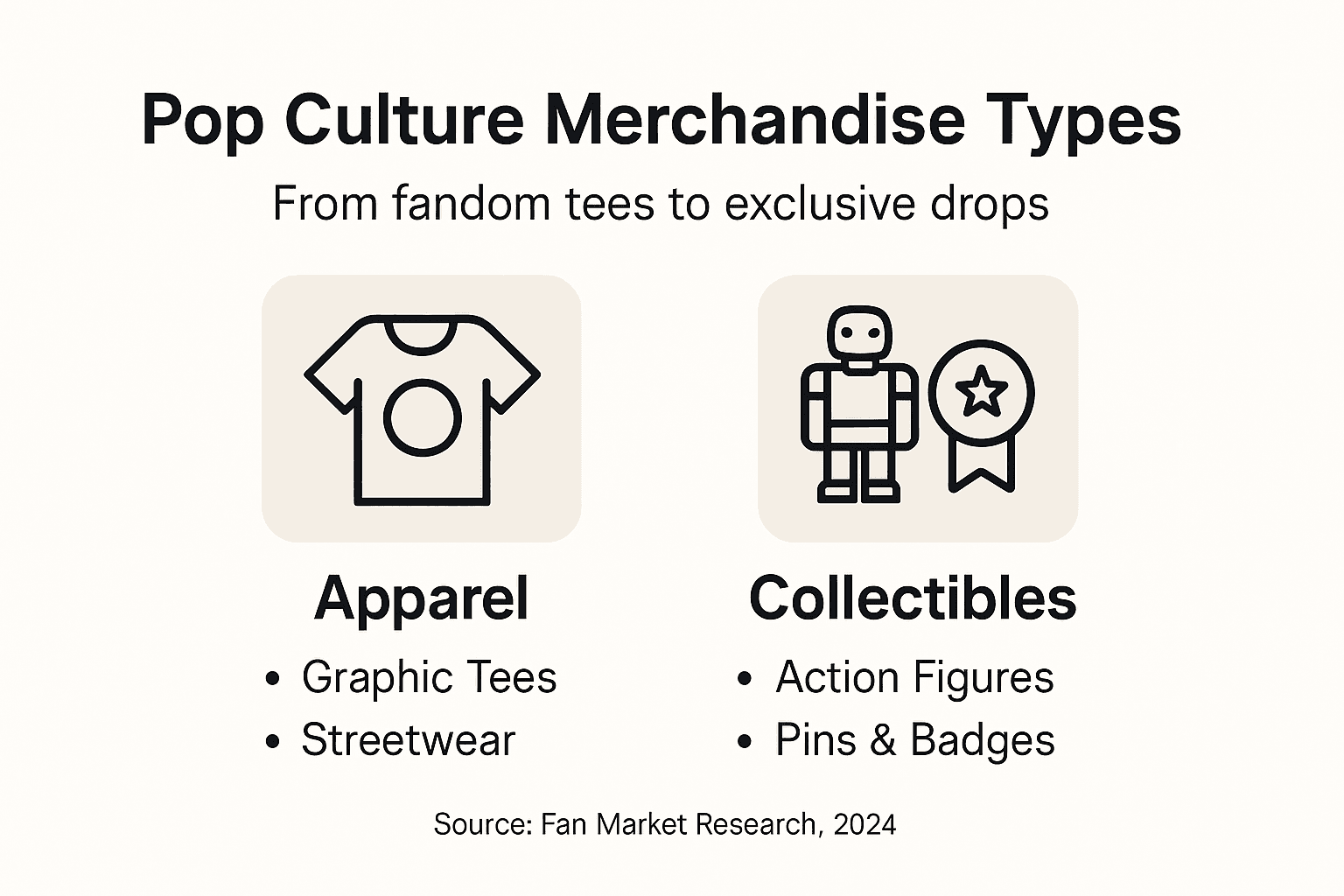
Here’s a summary of how technology impacts pop culture merchandise today:
| Technology Influence | Description | Impact on Merchandise |
|---|---|---|
| Social Media Platforms | Global fan connection and trend discovery | Rapid trend adoption |
| Digital Design Tools | Enable fan and brand design collaborations | Faster product development |
| E-commerce Integration | Immediate online purchasing | Increased accessibility |
| Blockchain Authentication | Secures product authenticity | Reduces counterfeiting risks |
Pro Tip: Follow multiple fan communities and engage with their discussions to stay ahead of emerging pop culture merchandise trends.
Types and Categories of Pop Culture Apparel
Pop culture apparel represents a dynamic intersection of fashion, identity, and cultural expression. Diverse categories of pop culture styles span from graphic tees to haute couture, reflecting the multifaceted nature of contemporary fashion trends.
The primary categories of pop culture apparel include:
- Graphic Tees: Featuring iconic imagery from movies, TV shows, and music
- Streetwear: Inspired by urban culture and entertainment media
- Cosplay Costumes: Detailed representations of fictional characters
- Fandom-Specific Merchandise: Exclusive designs tied to specific fan communities
- Collaborative Designer Collections: Limited edition pieces blending cultural references
Fan-driven design has become a critical component in pop culture apparel development. Cultural movements shape consumer apparel choices_IJPSPA202402321109NG_(p_58-66).pdf), transforming clothing from simple garments into powerful statements of personal identity.
Modern pop culture apparel transcends traditional fashion boundaries. Social media and digital platforms enable fans to directly influence design trends, creating a more interactive and personalized clothing experience that reflects individual cultural narratives.
Compare major types of pop culture apparel and their primary audiences:
| Apparel Type | Typical Audience | Key Appeal |
|---|---|---|
| Graphic Tees | Teens, young adults | Iconic visuals, casual wear |
| Streetwear | Urban youth, trendsetters | Edgy designs, brand prestige |
| Cosplay Costumes | Convention-goers, fans | Character immersion, creativity |
| Collaborative Collections | Fashion-forward consumers | Exclusivity, designer partnerships |
Pro Tip: Explore multiple fan communities and design collaborations to stay ahead of emerging pop culture apparel trends.
How Merchandise Connects Fans and Brands
Merchandise serves as a powerful bridge between fan communities and brands, creating a dynamic ecosystem of shared cultural experiences. Brand capital and fan culture form a symbiotic relationship that transforms simple consumer transactions into meaningful cultural exchanges.
Key mechanisms of fan-brand connection include:
- Emotional Resonance: Merchandise that reflects fan identity
- Community Validation: Shared symbols and cultural references
- Personal Expression: Clothing as a form of individual storytelling
- Brand Loyalty: Tangible representations of fan commitment
- Interactive Engagement: Direct participation in brand narratives
Cultural communication through merchandise goes beyond traditional marketing strategies. Fans don’t just purchase products; they invest in narrative experiences that validate their personal and collective identities. This creates a complex dialogue where brands become platforms for self-expression and fans become active contributors to brand meaning.
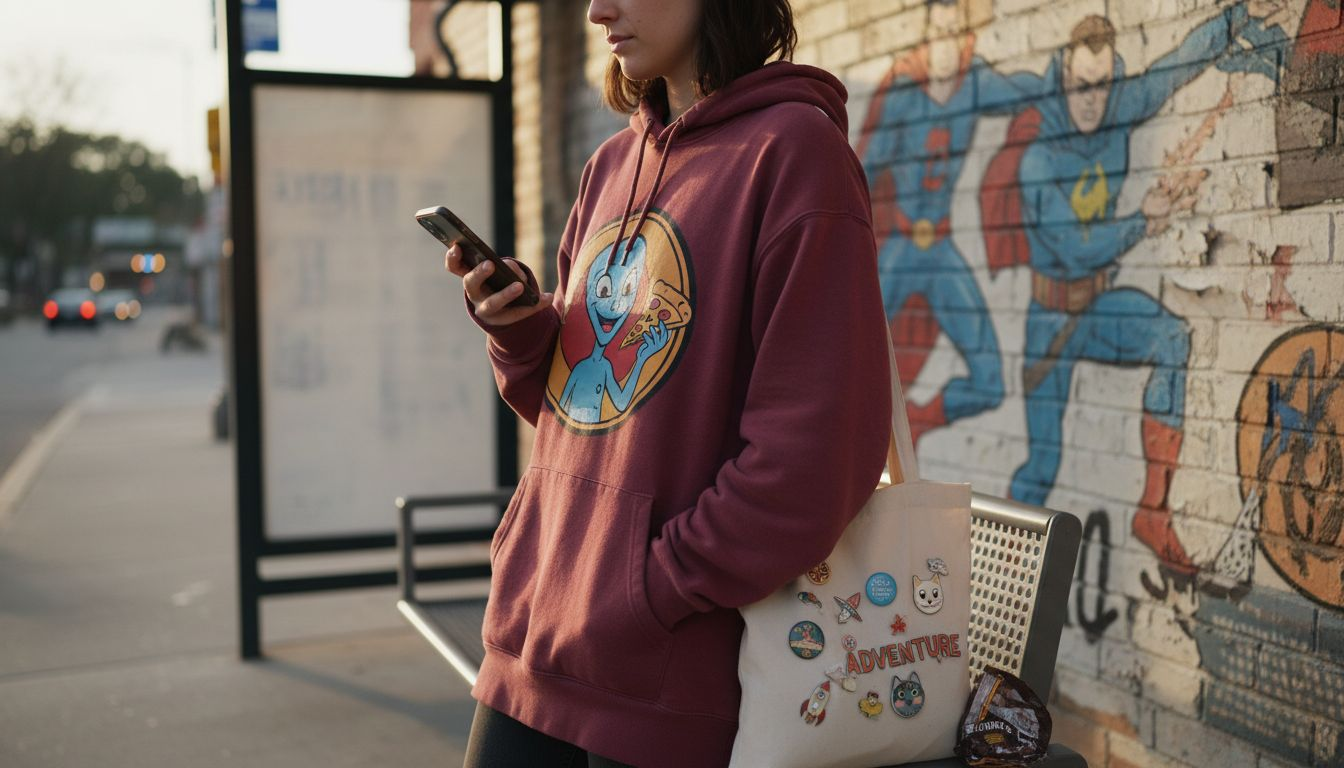
Digital platforms have dramatically accelerated this connection, enabling real-time feedback, collaborative design, and instant global community building. Merchandise has evolved from passive consumption to an interactive, participatory experience that blurs the lines between consumer and creator.
Pro Tip: Engage with multiple fan communities to understand the nuanced ways merchandise creates meaningful connections.
Exclusive Collections, Trends, and Limited Editions
Limited edition merchandise represents a sophisticated strategy in pop culture fashion, transforming simple products into coveted cultural artifacts. Limited edition products create unique consumer experiences by generating excitement through strategic scarcity and exclusivity.
Key characteristics of exclusive collections include:
- Numbered Collectibility: Uniquely identified items with specific production limits
- Collaborative Design: Brand partnerships creating unprecedented merchandise
- Rare Aesthetic Elements: Special packaging or distinctive visual treatments
- Time-Sensitive Releases: Products available for restricted periods
- Premium Perceived Value: Enhanced consumer desirability through intentional scarcity
Brand innovation drives the evolution of limited edition merchandise. Special edition collections appeal to dedicated fan bases by offering memorable experiences that transcend traditional retail transactions. These exclusive releases become more than products - they’re cultural statements that fans collect, discuss, and cherish.
Digital platforms and social media have revolutionized how exclusive collections are marketed and distributed. Brands now leverage real-time engagement, creating global anticipation and instant community connections through strategically released limited merchandise.
Pro Tip: Follow multiple fan communities and brand announcement channels to stay informed about upcoming exclusive collection releases.
Intellectual Property and Licensing in Merchandise
Intellectual property rights form the critical foundation for pop culture merchandise, transforming creative concepts into legally protected commercial assets. Global legal frameworks protect merchandise licensing by establishing comprehensive guidelines for intellectual property management and commercial exploitation.
Key components of merchandise licensing include:
- Contractual Agreements: Defining precise usage rights and limitations
- Royalty Structures: Establishing financial compensation for IP owners
- Quality Control Mechanisms: Ensuring brand integrity and representation
- Geographic Restrictions: Specifying territorial licensing boundaries
- Duration of Rights: Establishing clear time frames for IP usage
Licensing strategies have become increasingly sophisticated in the digital age. Merchandise licensing expands brand monetization by creating strategic pathways for entertainment, sports, and fashion brands to extend their market reach and generate additional revenue streams.
Digital platforms have revolutionized intellectual property management, enabling more transparent and dynamic licensing ecosystems. Brands can now track, negotiate, and enforce licensing agreements with unprecedented precision, creating more flexible and responsive intellectual property frameworks.
Pro Tip: Always review licensing agreements thoroughly and consult intellectual property experts to understand the full scope of merchandise rights.
Avoiding Counterfeits and Legal Pitfalls
Counterfeit merchandise poses significant challenges for fans, brands, and the broader pop culture ecosystem. Counterfeiting threatens supply chains and brand integrity by undermining legitimate production and consumer trust.
Key strategies for identifying and avoiding counterfeit merchandise include:
- Price Verification: Suspiciously low prices often indicate fake products
- Seller Authentication: Purchase only from authorized retailers
- Packaging Inspection: Examine detailed product packaging for quality indicators
- Brand Verification: Check official brand authentication methods
- Digital Tracking: Utilize blockchain and digital authentication technologies
Consumer awareness plays a critical role in combating counterfeit goods. Proactive consumer strategies reduce counterfeit risks by creating a more transparent and accountable marketplace for pop culture merchandise.
Technological innovations like blockchain and advanced tracking systems are transforming how brands protect their intellectual property. These solutions enable real-time verification, making it increasingly difficult for counterfeiters to create convincing replicas of popular merchandise.
Pro Tip: Always purchase merchandise from verified official channels and cross-reference product details with brand authentication platforms.
Express Your Fandom With Authentic Pop Culture Apparel
Navigating the complex world of pop culture merchandise can be overwhelming with concerns about counterfeits, limited editions, and meaningful fan expression. You want apparel that connects deeply with your favorite anime, gaming, or movie fandoms while assuring quality and authenticity. IGZ Clothing understands these challenges and offers a curated collection that transforms casual wear into powerful personal statements through exclusive graphic tees, hoodies, and accessories inspired by trending pop culture themes. Shop confidently knowing you are part of a vibrant community that values both style and cultural identity.
Discover exclusive collections and new drops that let you represent what you love. Don’t miss out on offers like 30% off plus free shipping, designed to make joining the fandom easier today. Explore the full range of authentic and limited-edition merchandise now at IGZ Clothing. Dive into our graphic tees and hoodies that turn fandoms into fashion statements and embrace your fandom with apparel that speaks your story.
Frequently Asked Questions
What are the key characteristics of modern pop culture merchandise?
Modern pop culture merchandise is defined by immediate digital accessibility, strong narrative connections to source media, limited edition and collaborative designs, direct engagement with fan communities, and customizable options.
How does technology influence the creation and consumption of pop culture apparel?
Technology impacts pop culture apparel by allowing global fan connections through social media, enabling fan and brand collaborations with digital design tools, simplifying online purchasing via e-commerce, and securing product authenticity using blockchain technology.
What are the main categories of pop culture apparel?
The main categories of pop culture apparel include graphic tees, streetwear, cosplay costumes, fandom-specific merchandise, and collaborative designer collections. Each category reflects different facets of cultural expression and fan identity.
How can fans avoid counterfeit merchandise in pop culture products?
To avoid counterfeit merchandise, fans should verify prices for suspiciously low-cost items, purchase only from authorized retailers, inspect packaging for quality, check for official brand authentication methods, and utilize blockchain and digital tracking technologies for verification.
Recommended
- Role of Pop Culture in Streetwear Trends – IGZ Clothing
- Pop Culture Streetwear Explained: Fandom Meets Fashion – IGZ Clothing
- Role of Graphic Tees in Fandom: Identity and Impact – IGZ Clothing
- Why Pop Culture Influences Fashion Trends Worldwide – IGZ Clothing
- Cool Frenchie Tee – Unleash the Swagger – 3 Wizard Clothing