
Role of Anime Apparel in Fandom Identity and Culture
Spotting your favorite character on a hoodie can spark instant conversations and forge new friendships at any anime convention or city street. For many fans, wearing anime apparel is more than fashion—it is a bold declaration of passion and affiliation within a global community. Anime apparel acts as a powerful symbol of fan identity and self-expression, giving you a tangible way to celebrate what you love while connecting with like-minded enthusiasts everywhere.
Table of Contents
- Defining Anime Apparel In Fandom
- Key Types Of Anime-Inspired Clothing
- Streetwear Trends And Fandom Style
- Cosplay, Community, And Self-Expression
- Exclusive Merchandise And Brand Collaborations
- Risks, Counterfeits, And Ethical Shopping
Key Takeaways
| Point | Details |
|---|---|
| Anime Apparel as Identity | Anime apparel allows fans to express their identity and affiliation within anime communities through clothing and accessories. |
| Diverse Categories | The market features various types of anime-inspired clothing, including casual wear, streetwear, and collectible pieces, catering to different fandom levels. |
| Collaborative Fashion | Brand collaborations elevate anime apparel to mainstream fashion, appealing to a broader audience while preserving cultural connections. |
| Ethical Shopping Awareness | Avoid counterfeit products by purchasing from authorized retailers to support creators and ensure quality in your anime apparel. |
Defining Anime Apparel in Fandom
Anime apparel represents far more than just clothing with character prints stitched onto fabric. At its core, anime apparel refers to clothing and accessories featuring characters, motifs, and stylistic elements derived from anime series that enable fans globally to connect visually with their favorite shows and characters. This includes graphic t-shirts showcasing iconic protagonists, hoodies featuring studio logos, jackets inspired by character designs, hats, and even accessories like pins and patches. What makes this category distinct is that each piece communicates something about your taste, your favorite shows, and your place within the broader anime community. When you pull on an anime-inspired shirt, you’re not just getting dressed. You’re making a statement.
The significance of anime apparel in fandom culture runs deeper than aesthetic preference. According to research on fandom identity and apparel, anime apparel functions as a critical medium through which fans express identity and affiliation to anime communities. The global anime apparel market reflects this importance, with clothing inspired by anime series playing a key role in fandom identity by allowing self-expression and social connection. Think of it this way: wearing anime apparel is essentially wearing your passion on your sleeve, literally. It signals to other fans that you’re invested in these stories, characters, and communities. It creates instant recognition and common ground. Someone spots your favorite character on your hoodie, and suddenly you’re having a conversation with a stranger who gets exactly what you’re talking about. That connection wouldn’t happen if you were wearing a blank garment.
What makes anime apparel particularly compelling for the 18 to 30 demographic is how it bridges personal fandom expression with contemporary streetwear aesthetics. Unlike merchandise that screams “I bought this at the gift shop,” modern anime apparel is designed to be worn as legitimate fashion that happens to celebrate the series and characters you love. Whether you’re choosing types of anime apparel every fan should know about or curating your collection based on specific series, you’re actively constructing a visual identity. The apparel becomes an extension of how you see yourself and how you want others to perceive you. Limited edition drops, exclusive character collaborations, and seasonal collections add another layer of investment. Collecting specific pieces becomes a way to mark moments in your fandom journey, to celebrate major anime releases, or to represent which series matter most to you right now. This transformative nature of anime apparel explains why fans spend considerable time sourcing the right pieces rather than just grabbing anything with an anime character on it.
Pro tip: When building your anime apparel collection, prioritize quality pieces that genuinely resonate with your favorite series rather than impulse buying every new release, since thoughtfully curated clothing creates a more authentic expression of your fandom identity.
Key Types of Anime-Inspired Clothing
Anime apparel isn’t a single monolithic category. The market offers distinct types of anime-inspired clothing, each serving different occasions, preferences, and levels of fandom commitment. Understanding these categories helps you identify what resonates with your personal style and how you want to express your fandom. Casual wear forms the foundation of most fans’ collections. This includes graphic t-shirts featuring character art, hoodies adorned with studio logos or iconic scenes, and sweatshirts combining anime aesthetics with everyday comfort. These pieces work perfectly for daily wear because they balance fandom expression with practical fashion. You’re not screaming “I’m a massive anime fan” at full volume. Instead, you’re casually signaling it to people who notice and care. Alongside casual wear, streetwear-influenced pieces blend anime themes with urban fashion sensibilities. Think oversized hoodies with minimalist character designs, joggers featuring subtle anime motifs, or jackets that incorporate anime-inspired graphics alongside contemporary silhouettes. This category appeals strongly to the 18 to 30 demographic because it treats anime apparel as legitimate fashion rather than niche merchandise.
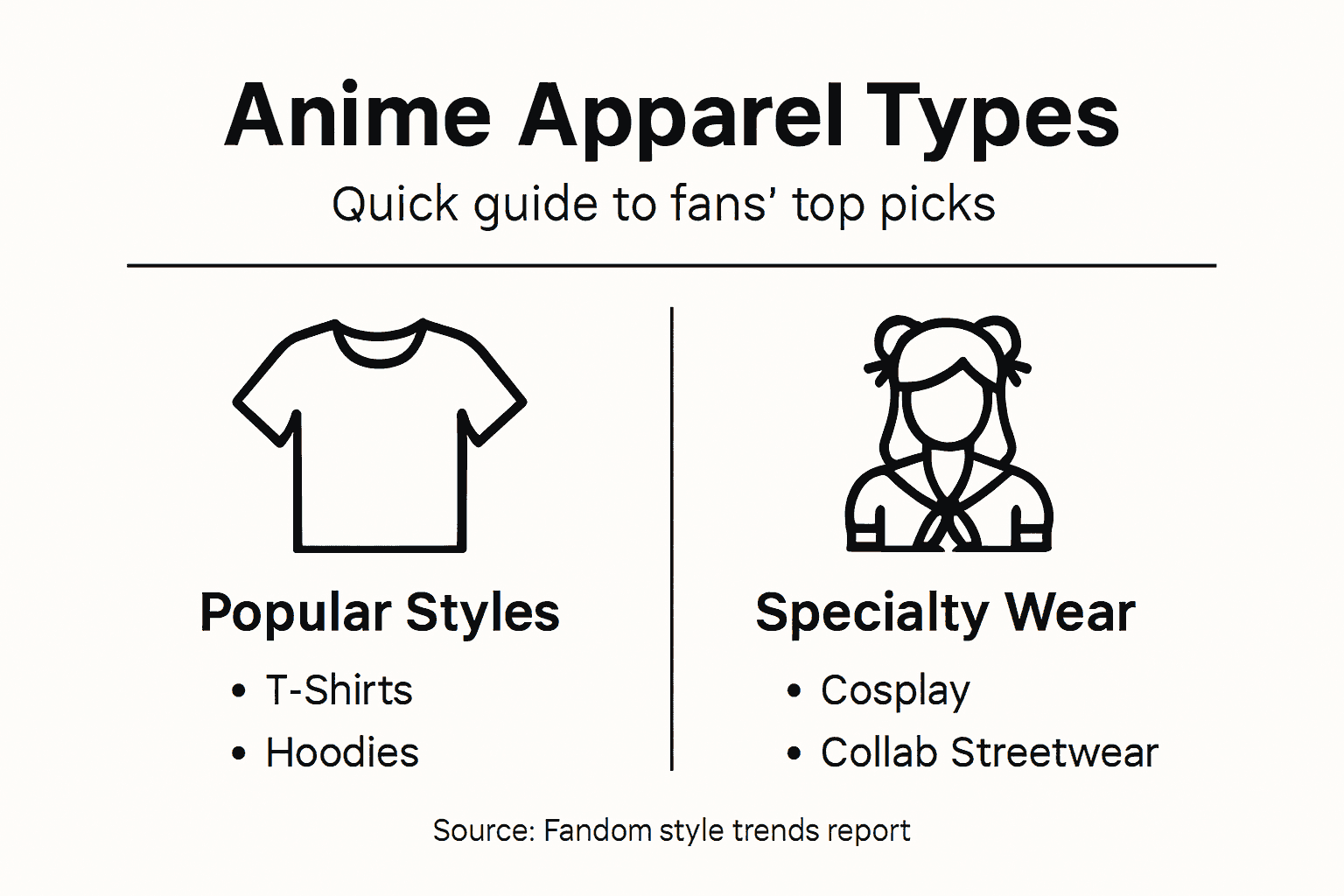
The variety of anime apparel styles extends to specialized categories designed for specific contexts. Limited-edition and collectible pieces represent another important segment. These are often released in small quantities, feature exclusive character collaborations, or commemorate major anime releases. Collectors actively hunt for these pieces because scarcity drives value and exclusivity. You might grab a limited-edition shirt celebrating a new season premiere or a collaborative piece from a designer partnership. These items often become conversation starters at conventions or within online communities because fewer people own them. Then there’s the cosplay-specific category, which includes full costumes and individual costume pieces designed for roleplay and convention appearances. Unlike casual anime apparel, cosplay outfits prioritize accuracy and visual impact. They’re meant to transform you into your favorite character rather than simply acknowledge them on your chest. However, the line between casual wear and cosplay elements increasingly blurs. Many fans piece together “cosplay-inspired” outfits for conventions that aren’t full costumes but incorporate character-accurate elements like hoodies matching a character’s color scheme or accessories referencing specific series.
Collaborative fashion lines represent the newest frontier in anime apparel. Major fashion brands and independent designers increasingly create anime-inspired collections blending contemporary style with anime themes. These partnerships elevate anime apparel from fan merchandise to legitimate fashion collaborations. You’re getting pieces designed by fashion professionals who understand both anime culture and current style trends. This segment legitimizes anime fashion within broader fashion conversations and attracts fans who might hesitate about traditional anime merchandise but appreciate designer-level quality and aesthetic sensibility. The diversity within these categories means you can build a collection that genuinely reflects how you engage with anime. Some fans focus entirely on casual daily wear. Others invest in limited editions and collectibles. Still others prioritize cosplay-ready pieces for convention season. Your personal preferences, budget, and how visibly you want to express your fandom should guide your choices within these categories.
Pro tip: Start by exploring casual wear and basic streetwear pieces to understand your style preferences, then gradually explore limited editions and specialized categories as your collection grows, ensuring each piece feels authentic to your fandom identity rather than collecting items just because they feature anime.
Here’s a comparison of major anime apparel categories and their defining features:
| Category | Typical Use Context | Key Visual Traits | Appeal Factors |
|---|---|---|---|
| Casual Wear | Daily activities | Graphic tees, hoodies, subtle logos | Comfort, easy fandom signal |
| Streetwear-Inspired | Social/outdoor settings | Minimalist motifs, trendy silhouettes | Fashion-forward, modern fusion |
| Limited Edition Pieces | Events, collecting | Exclusive designs, rare prints | Scarcity, collector value |
| Cosplay-Specific | Conventions, roleplay | Character-accurate, detailed apparel | Accuracy, immersive experience |
| Fashion Collaborations | Trend-driven occasions | Designer branding, unique aesthetics | High-quality, broader recognition |
Streetwear Trends and Fandom Style
The intersection of anime fandom and streetwear has fundamentally transformed how fans express themselves through clothing. Streetwear trends in anime fandom blend traditional urban fashion with anime-inspired graphics, creating a hybrid aesthetic that feels authentically contemporary rather than niche or outdated. This isn’t about slapping a character face on a basic hoodie anymore. Instead, modern anime streetwear incorporates subtle design elements, minimalist character silhouettes, color palettes inspired by iconic scenes, and graphic compositions that work as standalone fashion statements independent of their anime origins. When someone unfamiliar with anime sees your shirt, they might appreciate it as interesting graphic design before ever recognizing the character or reference. That duality is exactly what makes this trend so powerful. You’re wearing something that operates on multiple levels: as legitimate streetwear for fashion-conscious consumers and as a signal to other fans who recognize the deeper meaning. This crossover appeal explains why major streetwear brands now collaborate with anime studios and why independent designers increasingly source inspiration from anime aesthetics.
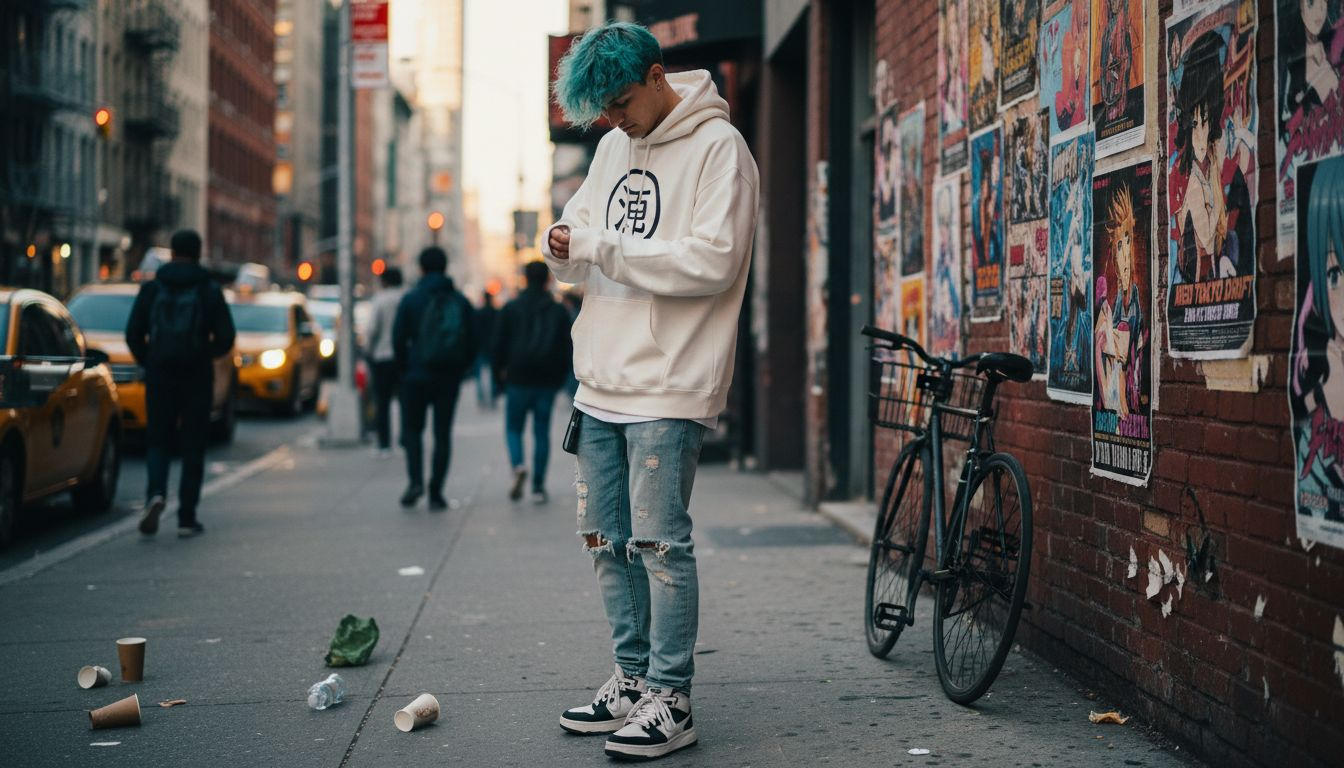
The evolution reflects how anime themes integrate into mainstream streetwear through deliberate design choices rather than coincidence. Think oversized hoodies with abstract character motifs positioned asymmetrically across the chest. Consider joggers featuring tonal embroidery referencing specific series instead of bold character prints. Picture bomber jackets with minimal back graphics that suggest anime influence without screaming it. These pieces embody fandom identity while maintaining the clean, urban aesthetic that defines contemporary streetwear. The result is clothing that works equally well at a convention, a casual hangout with friends, or in professional creative environments. You’re not limited to wearing your anime apparel exclusively around other fans anymore. Modern anime streetwear functions as genuine fashion that happens to celebrate what you love. This shift has massive implications for how you approach building a wardrobe. Instead of compartmentalizing anime clothing as separate from your regular fashion, you can integrate it seamlessly into your everyday style.
What drives this trend forward is the recognition that fans showcase allegiance through streetwear merging cultural identities in ways that feel organic and intentional. Younger fans especially appreciate apparel that allows them to express multiple facets of their identity simultaneously. You’re not just an anime fan. You’re someone interested in fashion, design, urban culture, and self-expression. Quality anime streetwear acknowledges all those aspects at once. Limited color palettes pull from anime cinematography. Fabric choices prioritize comfort and durability like traditional streetwear. Silhouettes follow current fashion trends rather than defaulting to standard t-shirt cuts. Graphics employ design principles that elevate them beyond simple fan art. This level of intentionality has attracted designers and brands that might have previously dismissed anime apparel as too niche. The market has matured dramatically, with collaborations between renowned streetwear designers and anime studios becoming increasingly common. Seasonal drops, capsule collections, and artist-designed pieces now define the upper tier of the market. If you’re building a collection focused on streetwear aesthetic, you have access to genuinely impressive design work that also happens to celebrate your favorite series.
Pro tip: When shopping for anime streetwear, prioritize pieces with minimalist design and neutral color palettes that can layer and mix with your existing wardrobe, ensuring your anime apparel functions as versatile fashion basics rather than statement pieces that limit styling options.
Cosplay, Community, and Self-Expression
Cosplay represents one of the most visible and transformative expressions of anime fandom, extending far beyond simply wearing a costume. Cosplay involves embodying characters through detailed apparel, accessories, and often makeup or wigs that accurately reflect the source material. But here’s what makes it genuinely significant: cosplay functions as a powerful vehicle for self-expression, creative agency, and community belonging. When you invest weeks crafting a costume, sourcing materials, perfecting details, and then stepping into character at a convention, you’re not just participating in a costume event. You’re engaging in a cultural practice that reinforces your identity within the fandom and creates genuine connections with others who share your passion. The community aspect cannot be overstated. Cosplay spaces, whether at conventions, meetups, or online communities, become places where you’re celebrated for your dedication and creativity rather than judged for your interests. You’re surrounded by hundreds or thousands of people who understand exactly why spending months on a costume matters. This sense of belonging extends beyond convention weekends. Many cosplayers form lasting friendships, collaborative groups, and support networks centered around their shared hobby. Unlike casual anime apparel worn in everyday settings, cosplay creates intentional gathering spaces where fandom identity becomes the central focus.
Research on cosplay as a cultural practice in anime fandom emphasizes how this practice reinforces identity and creates psychological benefits beyond simple entertainment. Cosplayers report experiencing increased confidence, personal empowerment, and a heightened sense of community belonging. The act of transforming into a character you admire can feel psychologically liberating. For many fans, especially those navigating complex aspects of their identity offline, cosplay provides a sanctioned space to explore different versions of themselves. You can inhabit a character’s confidence, strength, or personality traits in a way that feels safe and supported. This psychological dimension explains why cosplay means so much to participants. It’s not frivolous hobby indulgence. It’s a legitimate form of creative expression with measurable emotional and social benefits. Convention attendance creates temporary communities where your fandom identity is normalized and celebrated. People dress up, socialize around shared interests, participate in competitions, attend panels about their favorite series, and form memories with fellow fans. These experiences shape how you understand yourself within broader fandom culture.
The relationship between cosplay and everyday anime apparel also matters significantly. While casual anime clothing allows you to signal fandom in daily life, cosplay represents a deeper commitment and a different type of community engagement. Many fans operate across both spaces. You might wear anime streetwear to work or university, then dedicate significant effort to cosplay for conventions several times yearly. These aren’t contradictory expressions. They’re complementary ways of engaging with your fandom across different contexts. Cosplay fosters social interaction and psychological well-being through intergroup support and creative collaboration, creating networks that extend beyond costume wearing itself. Cosplay communities frequently involve skill sharing, costume advice, photography collaboration, and emotional support. Experienced cosplayers mentor newcomers. People collaborate on group costumes. Photography communities form around capturing and editing convention photos. These interconnected activities create ecosystems of support and creative development. If you’re considering entering cosplay, understand that you’re joining communities with genuine infrastructure for helping members succeed. People actively share construction techniques, recommend material suppliers, offer feedback on costume accuracy, and celebrate each other’s accomplishments. This collaborative culture distinguishes cosplay communities from many other hobbies. The investment isn’t purely individual. It’s communal and mutually supportive.
Pro tip: Start your cosplay journey with a character you genuinely love and a costume design that excites you rather than choosing based on perceived difficulty or popularity, since your personal connection to the character will sustain motivation through the construction process and enhance your performance at conventions.
Exclusive Merchandise and Brand Collaborations
The anime apparel market has evolved dramatically with the rise of brand collaborations between major fashion labels and anime franchises. These partnerships represent a fundamental shift in how anime culture integrates with mainstream fashion. When luxury fashion designers or established streetwear brands collaborate with anime studios, something significant happens. The apparel transcends typical fan merchandise and becomes culturally legitimized fashion. Instead of a graphic t-shirt that appeals primarily to hardcore fans, you’re getting pieces designed by professionals who understand both high fashion principles and anime aesthetics. The result feels elevated, intentional, and desirable even for people unfamiliar with the source material. Consider the distinction: a basic anime t-shirt serves fans. A designer collaboration serves a broader audience while celebrating anime culture simultaneously. This expansion dramatically increases the cultural footprint of anime apparel. Suddenly, fashion magazines cover anime collaborations. Celebrities wear limited-edition pieces from franchise partnerships. Retail stores that never stocked anime merchandise now dedicate shelf space to collaborative collections. For fans, this validation matters. Your interests, once dismissed as niche, now occupy space in conversations about fashion, culture, and contemporary design.
Brand collaborations between anime franchises and fashion designers create exclusive collections that heighten fandom engagement by blending high fashion with anime culture. These partnerships extend market reach globally and enhance consumer experience through limited-edition releases that generate significant hype. The mechanics matter too. When a collaboration drops, it typically arrives as a limited-edition collection with specific availability windows. You cannot simply purchase pieces whenever you want. The scarcity creates urgency and investment. Collectors and fans actively monitor release dates, set alarms for online drops, and camp at retail locations for in-person launches. This creates community engagement around the release itself. Online communities form entire discussions around whether pieces sold out, who managed to secure rare items, and how prices fluctuate on resale markets. The anticipation, competition, and community excitement surrounding these drops rival video game launches or sneaker releases. If you’ve ever participated in a limited-edition drop, you understand that peculiar blend of excitement, strategy, and genuine community investment. These aren’t passive purchases. They’re events that bring fans together around shared interests and competitive collecting.
What makes exclusive merchandise particularly compelling is how it functions across multiple fandom identity levels. Casual fans might appreciate a beautifully designed collaborative piece purely as fashion. Serious collectors view limited-edition apparel as items to acquire, preserve, and potentially resell as their value appreciates. Limited-edition apparel through brand partnerships positions anime as a broader cultural phenomenon with worldwide impact while satisfying dedicated fan demand. This multi-layered appeal explains why collaborations generate such significant cultural attention. A single release can simultaneously satisfy fashion enthusiasts, anime fans, collectors, and casual consumers interested in trendy pieces. The diversity of motivations creates a larger addressable market and more robust demand. You might purchase a collaborative hoodie because you love the design and the anime series equally. Your friend might purchase the identical hoodie purely for the design, unconcerned about the anime connection. Both transactions count, both represent successful engagement with the product, and both demonstrate how effectively these collaborations bridge niche fandom culture with mainstream appeal. The strategic brilliance lies in creating products that work on multiple registers simultaneously. As a collector building your anime apparel collection, understanding the distinction between casual releases and major collaborations helps you make strategic decisions about which pieces merit investment. Collaborations from established fashion brands, limited-edition drops from anniversary releases, or exclusive pieces commemorating major franchise moments typically maintain or appreciate in value. Standard releases come and go. Exclusive merchandise becomes part of fandom history.
Pro tip: Follow official anime franchise social media accounts and join collector communities to receive early notification about upcoming brand collaborations, allowing you to plan purchases and potentially secure pieces before they sell out.
Risks, Counterfeits, and Ethical Shopping
As anime apparel has grown into a significant market, so has the prevalence of counterfeit products. This isn’t a minor concern. Counterfeiting directly undermines the creators, studios, and designers who produce legitimate merchandise while potentially exposing you to quality and safety risks. Counterfeit apparel frequently suffers from poor construction, substandard materials, and printing techniques that degrade rapidly through normal wear and washing. You might purchase what appears to be a limited-edition collaborative hoodie at a suspiciously low price, only to discover the fabric pills after a few washes, the graphics crack and peel after moderate wear, or the sizing runs dramatically differently than legitimate pieces. Beyond personal frustration, purchasing counterfeits financially harms the anime creators, studios, and fashion designers whose work you ostensibly admire. When you buy fake merchandise, none of that money reaches the people who created the content you love. Instead, it funds operations that actively steal intellectual property and undermine legitimate business. The anime industry generates revenue partly through merchandise sales. Counterfeiting reduces this income, which can impact funding for future anime productions, studio operations, and creator compensation. Your purchasing decisions have real consequences for the industry’s health and sustainability.
The challenge lies in distinguishing legitimate merchandise from sophisticated fakes. Counterfeit products in anime apparel undermine ethical purchasing and affect brand reputation, requiring consumer awareness and responsible shopping practices to support official creators and maintain quality standards. Several warning signs can help you identify counterfeits. Legitimate merchandise from established brands comes with proper tags including brand names, size information, and often batch or production codes. Counterfeits frequently feature misspelled tags, blurry printing, or tags that feel cheaply made. Pricing that seems too good to be true usually indicates counterfeits. Official limited-edition pieces maintain relatively consistent pricing across authorized retailers. If you spot identical merchandise at drastically reduced prices from unfamiliar sellers, scrutinize it carefully. Official retailers for anime apparel include authorized online stores, verified brand websites, and established retailers like major department stores and specialty shops. Unknown third-party marketplaces and overseas sellers advertising heavily discounted exclusive merchandise warrant extreme caution. Check seller ratings, look for authenticity guarantees, and verify that the retailer appears legitimate and established. Official anime franchise websites typically list authorized merchandise retailers and distributors. Using these resources takes minimal time and provides significant protection against counterfeits.
Ethical shopping extends beyond avoiding counterfeits. Academic discourse emphasizes how ethical shopping sustains industry health by protecting intellectual property and supporting original creators against ongoing legal and moral challenges worldwide. When you purchase apparel, consider whether your choice supports the ecosystem you claim to value. Buying from official sources ensures creators receive fair compensation. Choosing quality pieces over impulse purchases reduces waste and consumption patterns that harm the environment. Supporting smaller independent designers and lesser-known creators diversifies where your money flows within the industry. Attending official merchandise releases and supporting authorized retailers strengthens legitimate businesses. When you encounter counterfeit merchandise being sold, reporting it to the appropriate platforms and rights holders helps combat the problem industry-wide. These actions might seem individually insignificant, but collectively they shape market dynamics and determine which businesses thrive. Fans wield genuine power through purchasing decisions. The anime merchandise industry responds to demand signals. If fans consistently choose legitimate merchandise over counterfeits, legitimate businesses become more profitable and sustainable. If counterfeits dominate, legitimate operations struggle. You’re essentially voting with your wallet for the industry structure you prefer.
Consider these key risks and tips when shopping for anime apparel:
| Risk Area | Potential Issue | How to Protect Yourself |
|---|---|---|
| Counterfeits | Low quality, supports piracy | Buy from authorized retailers |
| Poor Construction | Fading, peeling, discomfort | Check material info and user reviews |
| Misleading Pricing | Unusually low costs signal fakes | Compare prices across official sources |
| Lack of Authenticity | Missing tags, bad printing | Inspect for official branding and tags |
Pro tip: When purchasing anime apparel, especially limited-edition or exclusive pieces, verify the seller’s legitimacy through official franchise websites, check for authenticity guarantees, examine product photos for quality indicators like tag clarity and graphic printing precision, and compare prices across multiple authorized retailers to identify suspiciously low pricing that signals counterfeits.
Elevate Your Fandom Identity with Authentic Anime Apparel
Building a meaningful anime wardrobe means more than just wearing character graphics. The article highlights how carefully chosen anime apparel communicates your personal connection to your favorite series while blending seamlessly with streetwear fashion trends. At IGZ Clothing, we understand the challenge fans face when navigating a market overloaded with low-quality or counterfeit items. Our curated collection emphasizes quality, authenticity, and exclusive designs that help you express your unique fandom identity with confidence and style.
Discover limited-edition streetwear-inspired pieces and graphic apparel that capture the spirit of your most-loved anime while fitting perfectly into your everyday wardrobe. Don’t wait to transform how you express your passion and connect with the community. Explore the exclusive collections and trusted selections available now at IGZ Clothing. Start building your authentic anime apparel collection today and enjoy 30 percent off plus free shipping on your first order.
Frequently Asked Questions
What are the different types of anime apparel available?
Anime apparel comes in various types, including casual wear like graphic t-shirts and hoodies, streetwear-influenced pieces that blend anime themes with urban fashion, limited-edition and collectible items, cosplay-specific costumes, and collaborative fashion lines that merge contemporary styles with anime elements.
How does anime apparel contribute to fandom identity?
Anime apparel serves as a medium for fans to visually express their love for specific shows and characters. Wearing such apparel allows individuals to signal their interests, build connections with other fans, and communicate their personal fandom identity in a way that resonates with the broader anime community.
What is the significance of streetwear trends in anime apparel?
Streetwear trends have transformed anime apparel by incorporating modern design elements and minimalist aesthetics. This approach allows anime-themed clothing to function as legitimate fashion, appealing to a wider audience and enabling fans to integrate their love for anime into everyday styles without appearing overly niche or targeted only at dedicated fans.
Why is the distinction between casual wear and cosplay important in fandom culture?
Casual wear allows fans to express their anime interests in daily life, while cosplay represents a more committed engagement, often involving detailed creation and character embodiment. Understanding this distinction helps fans navigate how they wish to communicate their identity and interact with others in the anime community.